Why Restoring the Tappan Zee Bridge Name can Boost Heritage Travel
Travelers seeking rich historic road trips love the Hudson Valley. Indeed, visiting the Mario Cuomo Tappan Zee Bridge connects you directly to centuries of vibrant local history. This famous Hudson River crossing links Westchester and Rockland counties seamlessly. Consequently, exploring this scenic waterway inspires unforgettable travel experiences.
Understanding the Legacy of the Mario Cuomo Tappan Zee Bridge
In fact, place names tell essential stories about regional identity and community heritage. Furthermore, the historic Tappan Zee name carried deep meaning for decades of residents and visitors alike. Early history lovers appreciate how original names anchor a destination in authentic storytelling. Therefore, restoring the original bridge title honours the full cultural timeline of the Hudson River.
For example, millions of travelers cross this crucial span each year for weekend getaways. They admire sweeping views of wide river waters and lush green valley hillsides. However, standard modern names often lack the romantic depth of historical titles. Returning to the original name restores an essential link to local folklore.
Honoring Indigenous Tappan History
Indeed, the word Tappan honors the native Lenape people who lived along these riverbanks. Indigenous communities cared for these fertile lands for centuries before European contact. Consequently, keeping their memory alive through landmarks enriches our collective cultural awareness.
For example, history enthusiasts value destinations that celebrate true Indigenous heritage. Visiting historic sites allows travelers to learn about native customs and land stewardship. Furthermore, authentic place names remind every traveler of the ancient roots of the Hudson Valley. Therefore, honoring the Tappan tribe creates a richer educational experience for all visitors.
Celebrating Dutch Settlement Along the River
In addition, the word Zee reflects early Dutch colonial influence in New York state. Seventeenth-century Dutch sailors used the term Zee to describe wide expanses of water. Indeed, the Hudson River widens dramatically right at this famous crossing point.
For example, early Dutch mapmakers recorded these vast waters as an inland sea. Today, heritage travelers discover charming Dutch colonial architecture throughout surrounding river towns. Furthermore, historic homes and local museums showcase artifacts from that foundational era. Reinstating the Dutch terminology preserves an intriguing chapter of early colonial geography.
Why Heritage Tourism Matters in the Hudson Valley
Indeed, heritage tourism draws millions of curious visitors to the Hudson Valley annually. Travelers seek out authentic historical destinations that tell meaningful regional stories. Consequently, historic landmarks act as powerful magnets for cultural explorers and road trippers.
For example, visitors want to immerse themselves in genuine regional traditions and folklore. They prefer destinations with deep roots rather than artificial commercial attractions. Furthermore, historic place names spark curiosity and encourage deeper exploration of local history. Therefore, restoring original titles directly enhances the appeal of regional travel packages.
How the Mario Cuomo Tappan Zee Bridge Defines Regional Identity
In fact, discussing the Mario Cuomo Tappan Zee Bridge highlights an ongoing cultural debate. Local residents still refer to the landmark by its historic original name. Furthermore, regional businesses use the traditional name on signs, maps, and travel merchandise.
For example, tour guides introduce the structure using both historical context and local slang. Travelers love discovering the unique stories behind local landmarks during their journeys. Consequently, restoring the historic title aligns public signage with authentic community identity. Indeed, local culture flourishes when state infrastructure reflects community heritage.
Connecting Historic River Towns
Indeed, this major river span connects iconic historical villages on both shorelines. Tarrytown sits proudly on the eastern bank with its rich literary heritage. Meanwhile, Nyack offers Victorian homes and vibrant artistic communities on the western side.
For example, travelers easily drive across the river to experience both historic downtowns. Visitors shop in antique boutiques, dine in cozy taverns, and explore riverfront parks. Furthermore, the twin towns create a complete weekend itinerary for history enthusiasts. Consequently, the river crossing serves as a central gateway for Hudson Valley travel.

The Cultural Impact of Historic Landmarks
Landmarks shape the way travelers experience and remember a geographic region. Indeed, a name carries centuries of human memory, struggle, and achievement. When public entities change historic names, communities lose a piece of shared identity.
For example, classic literature frequently references the legendary Tappan Zee region in famous stories. Washington Irving immortalized this scenic landscape in his classic American tales. Furthermore, generations of poets and artists drew inspiration from these broad river waters. Therefore, preserving historic names protects the living legacy of American literature and art.
Restoring Authentic Names for Curious Travelers
In fact, modern tourists seek authenticity above almost everything else during trips. They avoid generic attractions and look for genuine local flavor instead. Consequently, historic place names enhance the destination image for heritage travelers.
For example, road signs that display historic titles spark immediate curiosity among passengers. Families discuss the origin of unique words while driving along scenic highways. Furthermore, travel blogs highlight local history when writing about iconic road trips. Therefore, authentic naming strategies boost regional tourism marketing efforts effectively.
Preserving Local Tradition Across Generations
Indeed, local residents take immense pride in preserving their shared regional heritage. Grandparents pass down stories of the old bridge to younger generations continuously. Consequently, the traditional name forms a core part of local family memories.
For example, local schools teach students about indigenous history and colonial settlement. Restoring the original name reinforces these educational lessons outside the classroom. Furthermore, community organizations actively petition state leaders to respect regional tradition. Therefore, returning the original name honors the voices of local residents.
Boosting Local Tourism and Regional Economy
In addition, historic naming conventions directly benefit small business owners nearby. Heritage travelers spend significant money on dining, lodging, and local tours. Consequently, clear cultural branding drives economic growth throughout Westchester and Rockland counties.
For example, historic inns use regional folklore to market unique room packages. Local restaurants feature historic themes on their menus to delight visiting diners. Furthermore, souvenir shops sell custom goods that feature iconic regional landmark names. Therefore, strong historical identity increases visitor spending across the entire river valley.
Supporting Historic Inns and Small Businesses
Indeed, charming bed and breakfasts thrive along both banks of the Hudson. Innkeepers welcome travelers who want to explore historic sites along the river. Consequently, these small hospitality businesses rely heavily on regional heritage appeal.
For example, guests love staying in converted colonial homes and Gilded Age mansions. They enjoy cozy fireplaces, homemade breakfasts, and personalized historical tour recommendations. Furthermore, local shopkeepers offer handcrafted items that showcase regional artistry and history. Therefore, supporting heritage tourism directly sustains independent local business owners.
Inspiring Scenic Hudson River Road Trips
In fact, scenic driving routes through the Hudson Valley offer breathtaking natural beauty. Drivers cross the river span while taking in panoramic views of wide waters. Consequently, road trippers often stop at riverfront overlooks to take photographs.
For example, autumn foliage turns the surrounding valley hills into vibrant red and gold. Autumn travelers flock to the region for pumpkin picking and historic ghost tours. Furthermore, summer road trips bring kayak enthusiasts and sailing fans to local marinas. Therefore, scenic driving routes inspire year-round travel adventures for regional visitors.
Unforgettable Attractions Near the River Crossing
Travelers discover dozens of historic attractions just minutes from the bridge, including the historic town of Sleepy Hollow. Indeed, the region offers world-class historic estates, public parks, and art museums. Consequently, visitors easily spend several days exploring this dense concentration of heritage sites.
For example, grand country mansions sit on elevated hills overlooking the Hudson River. Visitors tour opulent dining rooms, manicured gardens, and historic carriage houses. Furthermore, miles of scenic hiking trails line the dramatic Palisades cliffs nearby. Therefore, this region offers an ideal mix of nature and history for travelers.
Exploring Tarrytown and Historic Sleepy Hollow
Indeed, Tarrytown and Sleepy Hollow capture the imagination of travelers nationwide. Visitors explore Sunnyside, the picturesque nineteenth-century home of author Washington Irving. Furthermore, the historic Sleepy Hollow Cemetery holds graves of famous American figures.
For example, fall visitors experience famous evening lantern tours through the cemetery grounds. Historic Philipsburg Manor showcases colonial farming practices and early industrial mill operations. Consequently, families step back in time to experience colonial New York firsthand. Therefore, booking a stay in Tarrytown guarantees an immersive historical vacation.
Discovering Nyack and Rockland Cultural Sites
On the western side of the river, Nyack offers charm and artistic flair. Indeed, famous American painter Edward Hopper spent his early life in this river village. Today, art lovers visit his restored childhood home to view early paintings.
For example, walking along Main Street reveals historic brick storefronts and antique shops. Travelers enjoy farm-to-table dining inside converted historic buildings along the water. Furthermore, nearby Hook Mountain State Park provides dramatic river views and walking paths. Consequently, Rockland County delivers a perfect blend of culture, history, and outdoor recreation.
How to Experience Hudson Valley Heritage Travel
Planning a trip to the Hudson Valley requires a thoughtful travel strategy. Indeed, booking accommodations early helps you secure prime riverfront views during peak seasons. For example, autumn months bring high demand due to legendary fall foliage tours.
Consequently, reserving your hotel or historic inn months in advance ensures great choices. Furthermore, mid-week visits offer quieter streets and easier access to popular historic sites. You avoid weekend traffic while enjoying relaxed tours of famous country mansions. Therefore, flexible scheduling enhances your overall heritage travel experience significantly.
Booking Historic Riverfront Accommodations
Indeed, choosing historic accommodations transforms a simple vacation into an extraordinary journey. You wake up inside grand stone mansions or restored nineteenth-century riverfront hotels. For example, classic inns feature antique furniture, canopy beds, and scenic river balconies.
Furthermore, attentive innkeepers provide gourmet breakfasts featuring local valley produce. They share insider tips on hidden walking trails and historic river sites. Consequently, guest houses offer warm personal service that modern chain hotels rarely match. Therefore, booking a historic stay deepens your connection to Hudson Valley heritage.
Crafting the Perfect Historical Itinerary
In fact, building a balanced itinerary ensures a memorable Hudson Valley getaway. Combine visits to historic homes with outdoor walks along the riverbank path. For example, spend your morning touring Sleepy Hollow and your afternoon hiking Hook Mountain.
Furthermore, reserve evening hours for fine dining inside historic riverfront taverns. Enjoy classic American cuisine cooked with fresh ingredients from nearby local farms. Consequently, your daily schedule balances educational history tours with restful leisure activities. Therefore, a well-planned trip leaves you refreshed, inspired, and culturally enriched.
The Role of Public Support in Renaming Efforts
Indeed, public enthusiasm plays a vital role in restoring historic place names. Thousands of New Yorkers sign online petitions to support the original name return. Consequently, citizens demonstrate their deep commitment to preserving state history and regional identity.
For example, local lawmakers introduce legislation to restore the Tappan Zee title officially. State representatives listen to community feedback regarding public infrastructure names. Furthermore, grassroots organizations organize community events to raise public awareness. Therefore, citizen action keeps this important historical conversation alive and active.
Inspiring Future Generations Through History
In addition, teaching young travelers about historic naming builds cultural stewardship. Children learn that words connect us directly to ancient people and lands. Consequently, visiting historic bridge crossings turns simple road trips into living history lessons.
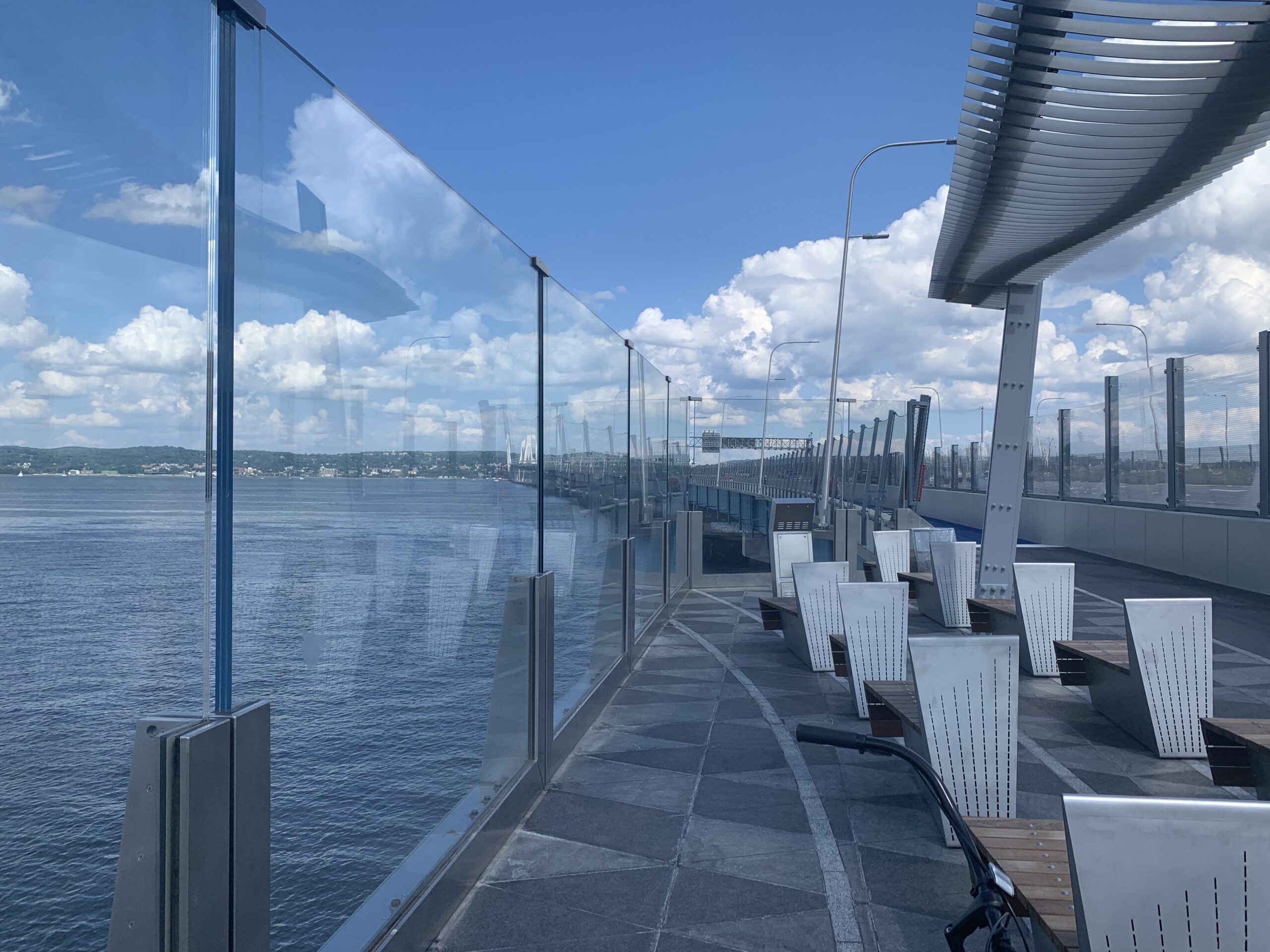
For example, educational signs along the bridge walking path explain local heritage. Families stop at viewing platforms to read about Indigenous tribes and Dutch trading routes. Furthermore, interactive exhibits in nearby visitor centers bring regional history to life. Therefore, preserving traditional names inspires future generations to value and protect history.
Conclusion: Returning to Legendary New York Roots
Ultimately, place names form the invisible threads of our shared cultural story. Understanding the debate around the Mario Cuomo Tappan Zee Bridge reminds us why history matters. Returning to the original name honors Indigenous heritage and Dutch settlement traditions. Consequently, restoring the historic title celebrates the true spirit of the Hudson Valley.
For example, every travel journey through this region offers deep historical discovery. You cross majestic waters, explore quaint villages, and stay in historic accommodations. Furthermore, welcoming river towns invite you to experience authentic New York heritage firsthand. Book your historic Hudson Valley getaway today and discover timeless river magic.