The Legend of the Headless Horseman: Sleepy Hollow’s Most Enduring Mystery
Published just in time for the autumn chills…
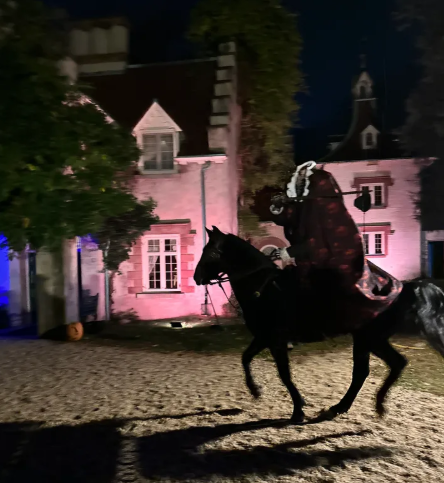
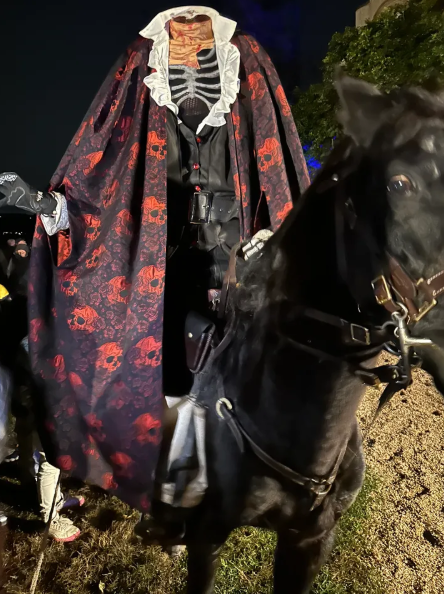
There is perhaps no American ghost story more deeply embedded in the cultural fabric of autumn than Washington Irving’s legendary tale. The Legend of Sleepy Hollow. Long before modern horror films and haunted attractions. A Hessian trooper lost his head to a cannonball during the American Revolutionary War. This set sett the stage for a haunting that has terrified and fascinated readers for over two centuries.
Grab a warm cup of cider as we ride through the misty, shadow-draped hollows of New York. Uncover the history, literary themes, and enduring legacy of the Headless Horseman.
1. The Historical Roots and European Influences
While Washington Irving immortalized the headless specter in his 1820 collection. The Sketch Book of Geoffrey Crayon, Gent., the folklore draws heavily on actual history and cross-cultural traditions:
- The Hessian Trooper: During the October 1776 Battle of White Plains. A British-allied German mercenary really did lose his head to a stray American cannonball, as documented in Revolutionary War journals.
- Global Folklore Echoes: The motif of a headless rider is ancient. It appears in Celtic lore (like the Irish dullahan), Arthurian romance (Sir Gawain and the Green Knight), and German Romantic literature featuring the Wild Hunt.
- The Hudson Valley Setting: Irving fused these Old World tropes with the rolling hills and haunted vales of Westchester County, New York. Where stories of restless spirits and Hessian ghosts captivated local residents.
2. Ichabod Crane, Brom Bones, and the Love Triangle
At the narrative heart of the tale is a classic, archetypal struggle between intellect and brawn, wrapped inside a dramatic love triangle:
- The Outsider Schoolmaster: Ichabod Crane represents the forces of ambition and intellectual pretension. He is deeply superstitious, remarkably gluttonous, and dreams of converting the vast agricultural wealth of the Van Tassel family into cash.
- The Local Hero: Brom Van Brunt (Brom Bones) is the rugged, roguish foil. A physical powerhouse who relies on strength, charisma, and practical jokes. He wins the affection of the community through authenticity rather than calculation.
- The Climax of the Chase: On a fateful autumn night after a party at the Van Tassel estate. Ichabod is pursued through the dark woods by a towering figure on a black steed carrying its own head. The morning brings a chilling discovery: Ichabod’s hat, hoofprints, and a shattered pumpkin. Did the horseman take him, or did Brom Bones play a masterful prank? Irving leaves the answer wonderfully ambiguous.
3. Deeper Literary Themes: Folklore vs. Reality
Beyond being a spooky campfire story, The Legend of Sleepy Hollow explores several sophisticated themes that keep literary scholars talking:
- The Power of Local Legend: Irving explores how folklore evolves. The story opens with local ghost tales and closes with the town whispering new gossip about Ichabod’s disappearance, turning the schoolmaster himself into a neighborhood ghost story.
- Superstition vs. Rationality: Ichabod constantly reads Cotton Mather’s histories on witchcraft and frightens himself with every rustling leaf, yet he is completely blind to the very real, earthly threat posed by a jealous rival like Brom Bones.
- The American Identity: As one of America’s first widely read pieces of fiction, the story successfully carved out a native mythology for a young nation that lacked the ancient castles of Europe.
4. Visiting Sleepy Hollow Today
If you want to experience the chill of the legend firsthand, the real-world village of Sleepy Hollow, New York (formerly North Tarrytown) embraces its spooky heritage every autumn:
- The Old Dutch Church and Burying Ground: Dating back to 1685, this historic site lets you walk among the graves of actual Revolutionary War soldiers and early Dutch settlers.
- Historic Hudson Valley Tours: Guided lantern tours bring Washington Irving’s classic tale to life through dramatic storytelling and atmospheric night walks past Philipsburg Manor.
- The Headless Horseman Bridge: A modern plaque marks the approximate location where Ichabod made his desperate, heart-pounding dash toward safety.
Conclusion: Why the Legend Endures
Two hundred years later, the Headless Horseman remains the undisputed king of American ghost stories. It captures the eerie magic of the autumn season—long shadows, rustling leaves, and the thrill of the unknown hiding just beyond the glow of a jack-o’-lantern.
What do you think really happened to Ichabod Crane that night? Did the Hessian trooper claim another victim, or was it all a trick by Brom Bones? Let us know your thoughts in the comments below!