The Long Island Rail Road: America’s Oldest Continuously Operating Railroad
Think about American history and transportation. Our minds often drift to the transcontinental railroad or iconic steam locomotives chugging through the wild West. Or we may refer to America’s oldest railroad. But the Long Island Rail Road (oldest U.S. railroad still operating continuously under its original name) is still quietly humming.
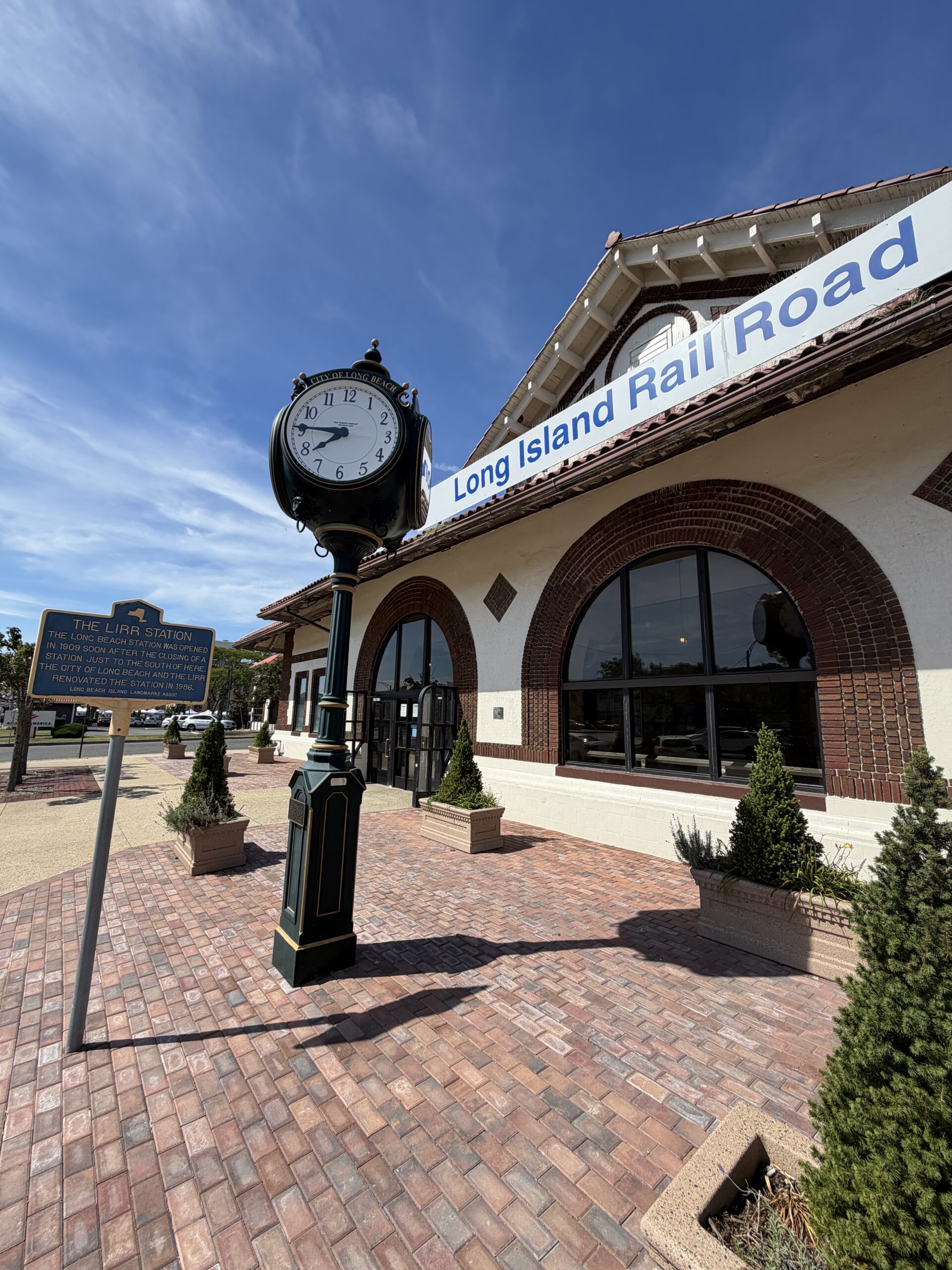
Established on April 24, 1834, by the New York State Legislature. The (LIRR) holds the prestigious title of being the oldest U.S. railroad still operating continuously under its original name.
A Vision for Speed: The Original Route
Initially, the oldest named railroad in America was not actually built for daily commuters. Instead, its primary purpose was to serve as a high-speed travel link between New York City and Boston.
- The Original Plan: Passengers would board a train in Brooklyn and ride to the eastern tip of Long Island (Greenport). The subsequently transfer to a steamboat that crossed the sound to connect with a railway into Boston.
- The Outcome: This ambitious route cut travel times down significantly in the 1830s. But technological advancements in coastal steamships and direct rail lines through Connecticut eventually rendered the Greenport-to-Boston boat connection obsolete.
Consequently, the LIRR shifted its focus inward. It pivoted to serve the rapidly growing local communities across Brooklyn, Queens, Nassau, and Suffolk counties.
Surviving the Decades: Growth and Modernization
As the decades progressed, the LIRR grew hand-in-hand with the development of Long Island itself. During the late 19th and early 20th centuries, the railroad facilitated the shift from agrarian farmlands to bustling suburban neighborhoods.
- The Pennsylvania Railroad Era: In addition to local expansion, the railroad became integrated with the Pennsylvania Railroad, allowing trains to finally run directly into Manhattan via the tunnels under the East River and into the iconic Pennsylvania Station.
- Electrification: Moreover, to accommodate mounting passenger numbers and reduce soot in urban tunnels, the LIRR began electrifying its lines in the early 1900s.
Overcoming Adversity: Bankruptcy and State Acquisition
Like many early transportation networks, the LIRR faced severe economic hurdles. Throughout the mid-20th century, soaring maintenance costs, aging infrastructure, and declining passenger revenues pushed the company through multiple bankruptcies.
- Financial Strain: Furthermore, as automobile ownership surged following World War II, private operators struggled to keep the transit network afloat.
- Public Rescue: As a result, the State of New York stepped in during the 1960s. It ultimately brought the LIRR under the umbrella of the Metropolitan Transportation Authority (MTA). Thus, millions of dollars in public funding were injected to modernize tracks, purchase new rolling stock, and upgrade safety features.
Technological Innovation and Engineering Feats
Beyond its impressive age, the LIRR pioneered numerous technological advancements in American railroading history. For instance, it was among the earliest adopters of all-steel passenger cars to improve safety. And it implemented some of the earliest automated speed control systems.
- Engineering Triumphs: In particular, the construction of complex projects like the Atlantic Avenue Tunnel and the massive multi-branch layout demonstrated unprecedented civil engineering capabilities for the era.
- Modern Expansion: Subsequently, the decades brought wide-scale dieselization and modernized third-rail electric conversions. And the historic addition of direct service into Grand Central Terminal via the Grand Central Madison project.
The LIRR Today: A Modern Commuter Lifeline
Today, the LIRR is the busiest commuter railroad in North America, carrying hundreds of thousands of passengers every single weekday. Despite facing numerous economic, weather, and operational challenges over its nearly two-century lifespan, it continues to adapt.
- Direct Access: Furthermore, the completion of the historic Grand Central Madison project opened up direct service to the East Side of Manhattan. That gave riders unprecedented scheduling flexibility.
- Continuous Improvements: Consequently, it has ongoing infrastructure investments. This includes double-tracking, signal upgrades, and station modernization. That ensure the system remains a vital economic engine for the New York metropolitan area.
Conclusion
From its legislative inception in 1834 to its modern mega-station terminals. The Long Island Rail Road has woven itself into the fabric of American history. Ultimately, it stands a relic of the past. A dynamic, evolving transit network that proves true longevity comes through relentless adaptation.