Step Back in Time at Old Bethpage Village Restoration
Step back into nineteenth-century America at the historic Old Bethpage Village Restoration on Long Island. Indeed, this 209-acre living history museum transports visitors straight into pre-Civil War farm life. For example, you can walk along dirt roads and explore historic homes. Consequently, travelers seeking immersive regional history love visiting this remarkable Bethpage attraction.
Preservationists relocated dozens of historic structures from across Queens and Nassau County to this site. Furthermore, costumed interpreters bring vintage trades and daily farm chores to life every week. Therefore, a trip here offers an educational adventure for history enthusiasts of all ages. Indeed, you will experience authentic nineteenth-century Long Island culture from the moment you arrive.
The Story of Old Bethpage Village Restoration
To begin with, Nassau County officials created this village during the rapid suburban growth of the 1960s. Rapid development threatened many colonial farmhouses and historic structures across the entire island. Consequently, local leaders acquired the historic Powell farm property to save these endangered buildings. In addition, they established a permanent sanctuary where future generations could study local heritage.
County leaders officially opened the living history museum to the public in June of 1970. Furthermore, researchers gathered rare antiques and original tools to furnish each restored home accurately. As a result, visitors now experience a faithful representation of nineteenth-century rural community life. Indeed, this sprawling property preserves precious rural history that suburban expansion almost erased forever.
Saving Long Island’s Vanishing History
Today, the restoration village property protects fifty-one historic structures and seven detailed reconstructions across rolling hills. Indeed, preservationists selected each building based on architectural significance and local community history. For example, craftsmen used period-accurate materials like hand-hewn timbers and wooden roof shingles. Consequently, the village maintains its authentic charm without modern distractions or asphalt paving.
Furthermore, expert caretakers maintain traditional gardens, orchards, and livestock pastures around the homes. Heritage-breed animals graze peacefully along the wooden fences throughout the entire property. Therefore, visitors step into a serene atmosphere that mirrors early agricultural Long Island. In fact, every single acre reflects careful historical research and deep community devotion.
Exploring Historic Buildings at Old Bethpage Village Restoration
Walking through the restoration village center reveals a rich variety of restored nineteenth-century structures. For instance, guests can tour modest wooden cottages, grand farmhouses, and busy trade shops. In addition, the layout reflects the natural growth of early Dutch and English settlements. Consequently, every turn down the gravel road introduces another chapter of local history.
To begin with, the Schenck House showcases classic eighteenth-century Dutch architectural design principles. Early Dutch settlers constructed this massive farmhouse in Manhasset around 1730. Furthermore, the house features thick fieldstone walls and a heavy jambless fireplace inside. As a result, guests gain rare insight into early colonial domestic life on Long Island.
Historic Dutch and English Farmhouses
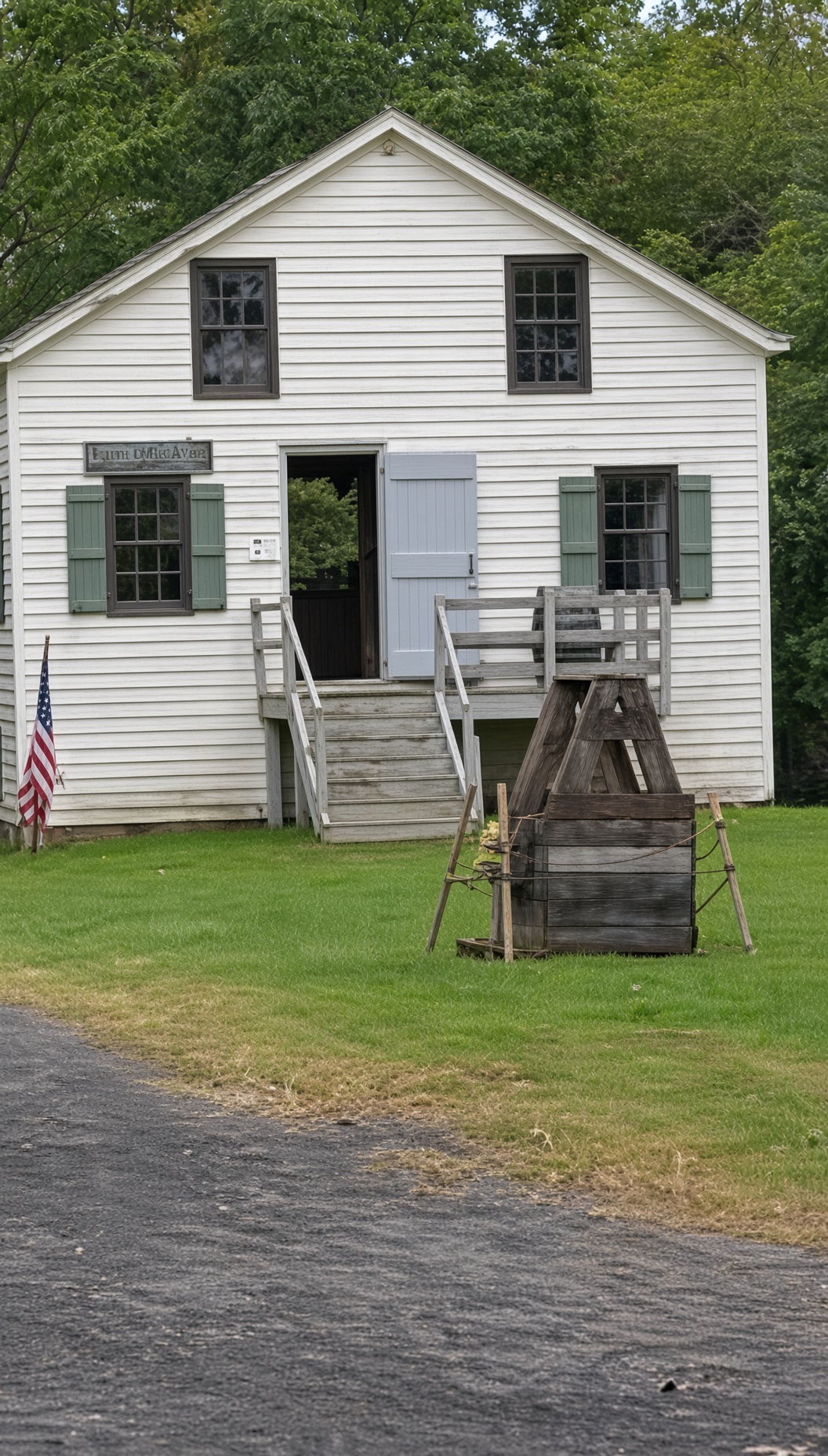
Down the road stands the Conklin House, a charming white cottage built in 1830. For example, owner Hull Conklin bought this property for six hundred dollars in 1853. Legend suggests that famous American poet Walt Whitman visited this home during his youth. Consequently, literature lovers feel a special connection while touring these historic wooden rooms.
In addition, the Benjamin House displays beautiful late Federal style architectural details. William Benjamin built this home in 1829 while serving as a local pastor and farmer. Furthermore, the elegant interior furnishings reflect the comfortable lifestyle of a prosperous nineteenth-century family. Therefore, visitors can compare how different economic classes lived during that vibrant era.
The Powell Farmstead and Working Barnyards
Another major highlight includes the historic Powell House, which stands on its original farm location. The Powell family expanded this residence across several generations during the eighteenth century. Indeed, visitors can tour the active barnyard complete with pigs, cows, and chickens. For example, kids love watching the farm animals in their spacious open pastures.
Furthermore, workers tend an authentic apple and pear orchard right beside the farmhouse. Farmers still use traditional period tools to maintain the surrounding crops and pastures. As a result, guests experience an authentic agricultural atmosphere that feels completely authentic. In fact, this working farm site remains a central focal point for the entire village.
Vintage Shops and Mercantile Hubs
Beyond private homes, the restoration village features several historic commercial and civic structures. For example, the Layton General Store showcases shelves stocked with nineteenth-century merchandise. Costumed shopkeepers explain how local families bought dry goods and household supplies in 1850. Consequently, guests love browsing the vintage displays inside this historic mercantile building.
Furthermore, visitors can stop by the Noon Inn for a refreshing glass of cold birch beer. Local residents originally gathered at this popular tavern for news, hot food, and community fellowship. Indeed, the barkeep shares entertaining stories about nineteenth-century travel and tavern culture. Therefore, stopping at the inn provides a delightful break during your village tour.
Immersion in 19th-Century Living History
History comes alive through hands-on activities and engaging live demonstrations across the grounds. For instance, skilled artisans practice traditional crafts in front of eager audiences every day. In addition, these craftspeople use authentic nineteenth-century tools and labor-intensive techniques. Consequently, guests witness the incredible effort that daily life required two centuries ago.
To begin with, children love asking questions about early tools and domestic appliances. Furthermore, interpreters gladly explain how families survived harsh winters without modern electricity. As a result, visitors gain a deep appreciation for the resilience of early Long Islanders. Indeed, this active educational environment inspires curiosity in visitors of every generation.
Skilled Blacksmithing and Traditional Trades
Skilled craftspeople bring traditional industrial trades directly to life inside historic workshops. For instance, the resident blacksmith shapes glowing iron at the Bach Blacksmith Shop forge. Sparks fly as he hammers custom hardware using authentic tools from the 1870s. Consequently, spectators watch the fascinating process of historic metalworking up close.
In addition, skilled hatters demonstrate their traditional crafts in the nearby Ritch Hat Shop. Artisans explain how early hat makers processed materials to form durable felt headwear. Furthermore, woodworkers demonstrate hand-planing and timber-framing techniques in adjacent barns. Therefore, guests see how skilled labor shaped every element of early village life.
Interactive Costumed Interpreters
Throughout the grounds, costumed educators engage visitors in warm, conversational discussions. They wear period-accurate clothing and answer questions about daily life in early New York. For example, interpreters demonstrate hearth cooking techniques over open fires in historic kitchens. Consequently, rich smells of traditional recipes drift through the cozy wooden homes.
Furthermore, interpreters demonstrate wool spinning, hand weaving, and garden harvesting throughout the season. Guests can ask questions and participate in interactive historical demonstrations. As a result, learning feels dynamic, engaging, and fun for whole families. Indeed, these personal interactions create lasting memories for young visitors.
Old-Time Baseball and Vintage Lawn Games
Sports fans enjoy watching vintage baseball games on the open village fields. Costumed ballplayers play according to authentic rules from the 1860s era. For example, players wear vintage uniforms and catch leather balls without modern gloves. Indeed, the lively matches draw enthusiastic crowds throughout the spring and summer months.
Furthermore, children can try traditional nineteenth-century games on the open lawn. Kids roll wooden hoops, walk on wooden stilts, and play vintage lawn games. Consequently, families enjoy simple active outdoor fun away from digital screens. Therefore, afternoons on the village green offer pure joy for kids and parents alike.
Seasonal Events at Old Bethpage Village Restoration
Seasonal celebrations bring vibrant energy to the grounds during every month of the year. To begin with, springtime brings newborn farm animals and bustling agricultural preparations. For example, visitors can watch sheep shearing and seasonal planting in the open fields. Consequently, spring offers a marvelous time to witness renewal on the historic farm.
In summer, patriotic Fourth of July events feature brass band music and historic speeches. Costumed performers read the Declaration of Independence aloud to cheering audiences on the lawn. Furthermore, old-time music groups perform popular melodies from the Civil War era. Therefore, summer visitors experience authentic nineteenth-century patriotic pride firsthand.
The Long Island Fair and Autumn Fun
Autumn brings the famous Long Island Fair to the village every single year. This traditional agricultural fair draws tens of thousands of excited visitors each fall. For example, guests admire prize-winning livestock, giant pumpkins, and handmade blue-ribbon crafts. Indeed, the fair preserves Long Island’s rich farming traditions in a grand way.
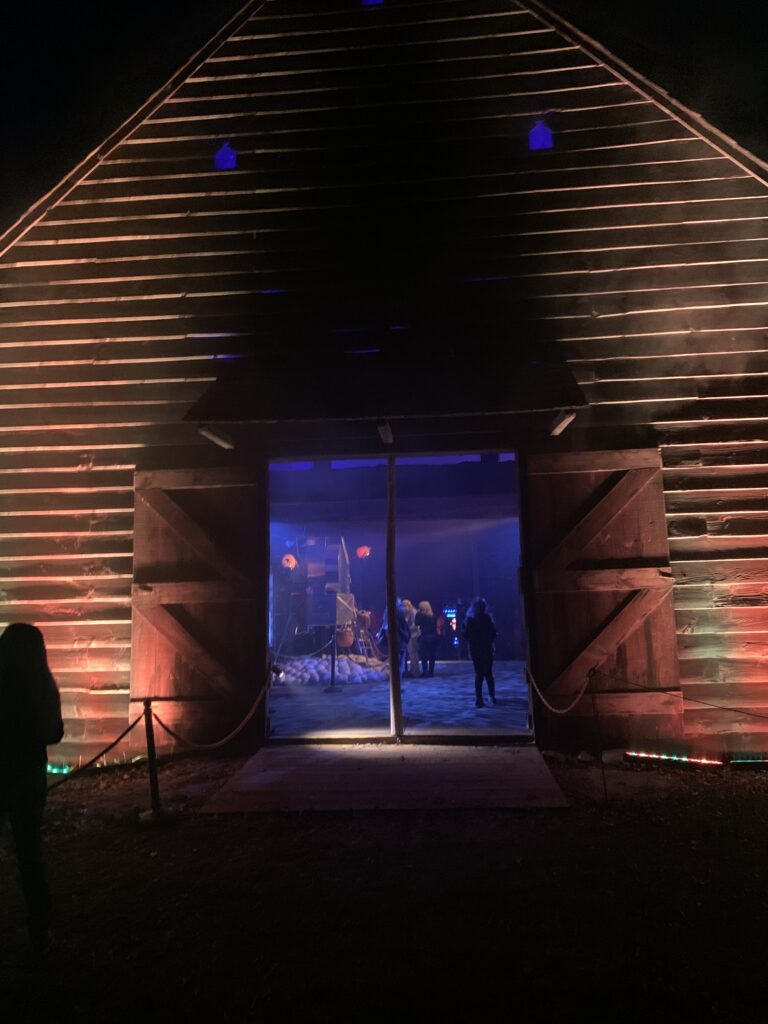
Furthermore, the village hosts spooky Haunted Halloween events late in October. Visitors stroll along dimly lit paths while listening to eerie nineteenth-century ghost stories. Consequently, autumn remains one of the most popular seasons for family visits. As a result, travel enthusiasts book their fall trips months in advance.
Winter Candlelight Evenings and Holiday Cheer
Winter brings cozy charm and festive cheer to the historic village grounds. During December, the site hosts magical Candlelight Evenings for holiday visitors. For example, glowing lanterns and flickering candles illuminate the historic wooden buildings. Indeed, the warm light creates an enchanting holiday atmosphere across the property.
Furthermore, musicians play traditional nineteenth-century Christmas carols inside the warm homes. Visitors sip hot apple cider while exploring festive colonial holiday decorations. As a result, these holiday events create cherished winter memories for every guest. Therefore, winter visits offer a uniquely peaceful and nostalgic travel experience.
Practical Visitor Guide for Bethpage
Planning a trip to this living history museum requires very little effort. The village sits at 1303 Round Swamp Road in Bethpage, New York. For example, drivers can easily reach the property from Exit 48 of the Long Island Expressway. Consequently, day trippers from New York City can arrive in under an hour.
Furthermore, admission prices remain very affordable for families, seniors, and children. The site opens Friday through Sunday, offering plenty of weekend travel options. Therefore, you can easily add this destination to your Long Island weekend itinerary. Indeed, the friendly visitor center staff provides helpful maps upon your arrival.
Travel Tips and Visitor Recommendations
To maximize your comfort, wear sturdy walking shoes during your village exploration. The property features dirt roads, grassy paths, and broad open spaces. For example, you will walk several miles while touring all fifty-one historic structures. Consequently, comfortable footwear ensures a relaxing and enjoyable day outdoors.
In addition, pack sunscreen and water bottles for hot summer afternoons. While shade trees line the paths, open fields receive full sunlight. Furthermore, check event schedules online before booking your travel tickets. As a result, you will not miss special craft demonstrations or vintage ballgames.
Nearby Attractions in Nassau County
Combine your trip with other exciting attractions in the local Bethpage area. For example, right on the property sits the impressive Museum of American Armor. This facility displays operational tanks, armored cars, and military vehicles from past conflicts. Consequently, history buffs can experience multiple centuries of military and civilian heritage.
Furthermore, nearby Bethpage State Park offers world-class golf courses and scenic hiking trails. Visitors can enjoy a round of golf or explore lush pine forests nearby. Therefore, the region provides endless outdoor recreation for every type of traveler. In fact, Nassau County makes a perfect weekend destination for outdoor lovers.
Book Your Historical Journey Today
A trip to this living museum offers a refreshing break from modern digital life. Here, history comes alive through smells, sounds, and active hands-on experiences. Indeed, walking these gravel paths connects you deeply to Long Island’s rich heritage. Consequently, every guest leaves with a new appreciation for early American pioneer spirit.
Pack your bags and book your travel experience to Bethpage today. Unplug from daily stress and step directly into nineteenth-century farm life. Furthermore, bring your family to share an unforgettable adventure across historic grounds. Experience the timeless magic of Long Island’s living past for yourself.