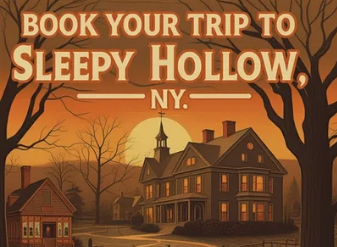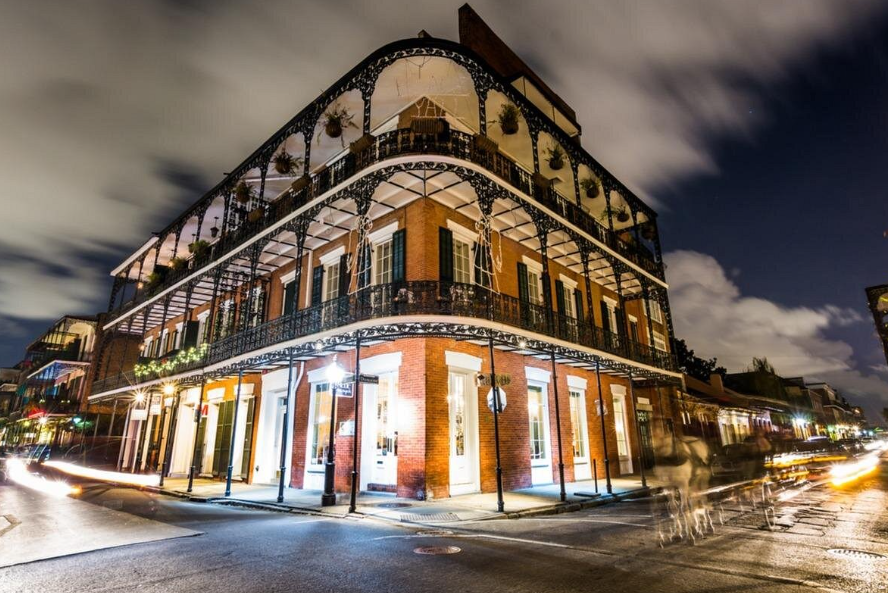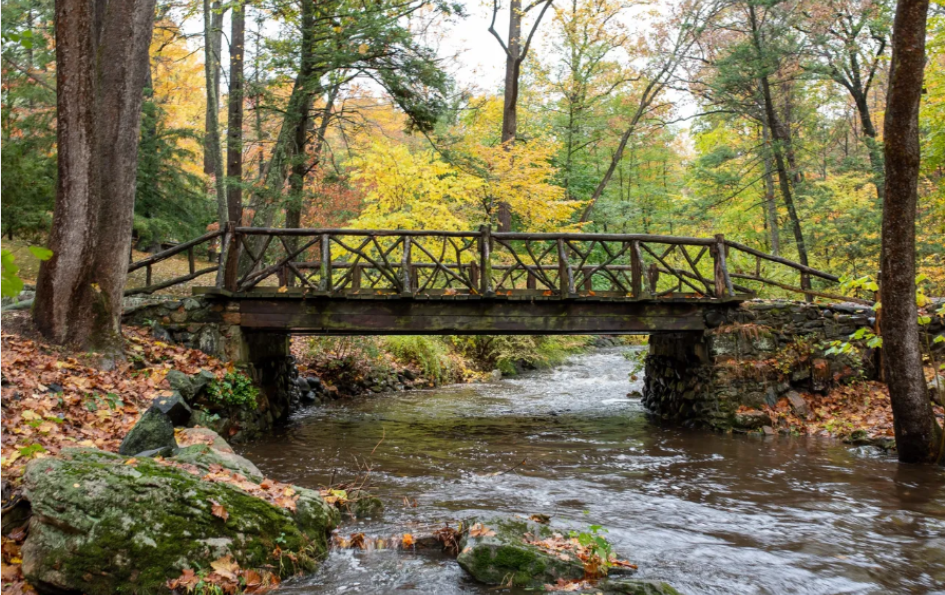
When the leaves fall and the bare branches cast long shadows against historic architecture, the past feels much closer than it does during the bright, sunny days of summer. Consequently, people love visiting historic small towns during autumn, particularly where centuries-old brick streets are lined with glowing jack-o’-lanterns. Ultimately, it feels like stepping right back into a storybook. And there is a place you can visit the real life Sleepy Hollow Bridge!
And if you love the magic of autumn, the absolute best way to experience it is to hit the road. To begin with, why not explore America’s most historic sites? Furthermore, you can venture into famously haunted small towns like Sleepy Hollow, New York.
Whether you are tracking down local legends, subsequently exploring centuries-old graveyard paths, or alternatively seeking out the ultimate fall foliage getaway, ultimately, spooky season reminds us that after all, a little mystery makes life that much more fun.
The Legend of the Sleepy Hollow Bridge
“If I can but reach that bridge,” thought Ichabod, “I am safe.”
Every October, thousands of visitors flock to Westchester County searching for the iconic literary landmark immortalized in Washington Irving’s 1820 masterwork, The Legend of Sleepy Hollow. In the story, the Sleepy Hollow Bridge is the magical boundary line where the terrifying Headless Horseman cannot cross, leaving terrified schoolmaster Ichabod Crane just moments away from safety—before a flying pumpkin unseats him forever.
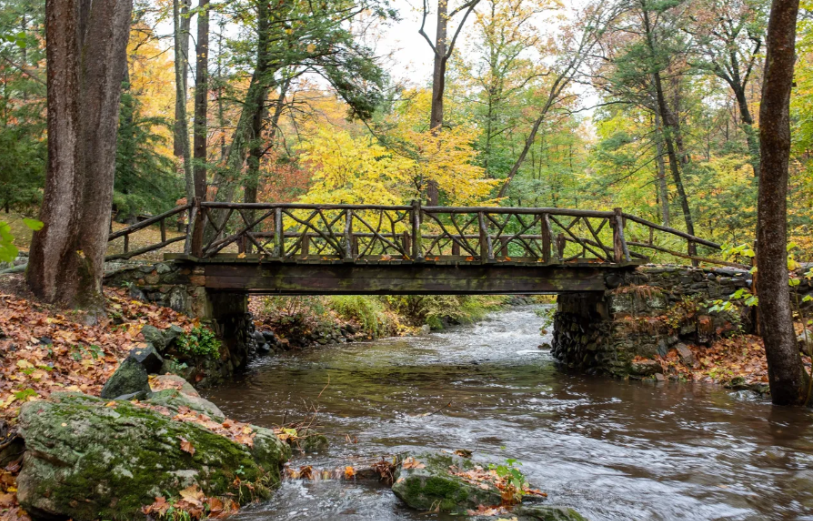
However, many first-time travelers are surprised to learn a fascinating secret: the original wooden Headless Horseman Bridge no longer exists. The simple wooden span crossing the Pocantico River in the late 1700s has long since rotted away. Over the last two centuries, at least five different bridge structures have occupied the changing paths of the old Albany Post Road. Today, a modern bridge near the historic Old Dutch Church and Burying Ground marks the legendary site, complete with a commemorative plaque and a striking 18-foot statue of Ichabod Crane fleeing the Horseman. But there is a more real life Sleepy Hollow bridge not too far off in the Sleepy Hollow Cemetery.
Shadows of the Pocantico: Embracing the True Spookiness of Sleepy Hollow
Beyond the literary charm and the postcard-ready autumn leaves, there is a distinctly eerie atmosphere that settles over the region once night falls. When you stand near the riverbanks where the modern bridge crosses the Pocantico, it is easy to understand why Washington Irving chose this exact landscape for his haunting masterpiece. The dense canopy of the surrounding woods blocks out the moonlight, plunging the narrow pathways into pitch-black darkness that feels almost theatrical, yet entirely real.
Furthermore, the proximity to the historic Old Dutch Burying Ground—which dates all the way back to the late 17th century—infuses the air with a quiet, lingering solemnity. As the wind rustles through the crumbling, moss-covered headstones of colonial-era settlers, every cracking twig or sudden rustle in the brush makes you look over your shoulder. Whether your imagination is playing tricks on you or the restless spirit of a Hessian trooper is truly galloping through the valley, this localized brand of spine-tingling history transforms a simple autumn afternoon into an unforgettable, ghost-story experience.
Furthermore, specifically when it comes to ghost tours, historical legends, and folklore, these traditions truly thrive during this season because they invite us to engage with the past on a deeper level. In particular, instead of just scanning dates on a plaque, as a result, we ultimately get to picture the very real human stories, tragedies, and mysteries of those who walked those same streets centuries ago.
When Is the Best Time to Visit the Sleepy Hollow Bridge?
If you want to experience the peak atmospheric conditions and see the bridge wrapped in true gothic charm, timing is everything.
1. The Ideal Month: October
Without a doubt, October is the absolute best time to visit Sleepy Hollow. During this month, the surrounding Hudson Valley trees erupt into vibrant hues of amber, crimson, and gold. Furthermore, the town fully embraces its literary heritage with historical walking tours, candlelit storytelling, and the famous Great Jack O’Lantern Blaze nearby.
2. The Ideal Time of Day: Late Afternoon to Dusk
To truly feel the eerie magic of the bridge, plan your visit for late afternoon as the sun begins to dip below the tree line.
- Daytime: Walk through the 90-acre Sleepy Hollow Cemetery (where Washington Irving is actually buried) to enjoy the fall foliage in peace.
- Dusk: Make your way over to the Old Dutch Church and the bridge area just as the shadows lengthen. Consequently, the cool evening air and glowing lights give you the exact cinematic feel of Irving’s classic tale.
Quick Tips for Your Trip
- Book Well in Advance: Because October is peak season, lodging, cemetery lantern tours, and tickets for local events sell out months ahead of time.
- Wear Comfortable Shoes: Exploring the historic churchyard, the bridge path, and the winding trails requires a solid pair of walking shoes.
- Respect the Grounds: Remember that Sleepy Hollow Cemetery is an active, historic resting place. Always stay on marked paths and respect local guidelines while taking photos.
Whether you are hunting for ghosts, chasing literary history, or simply looking for the ultimate autumn road trip, standing by the banks of the Pocantico River will make you feel like you’ve walked right into the pages of history.