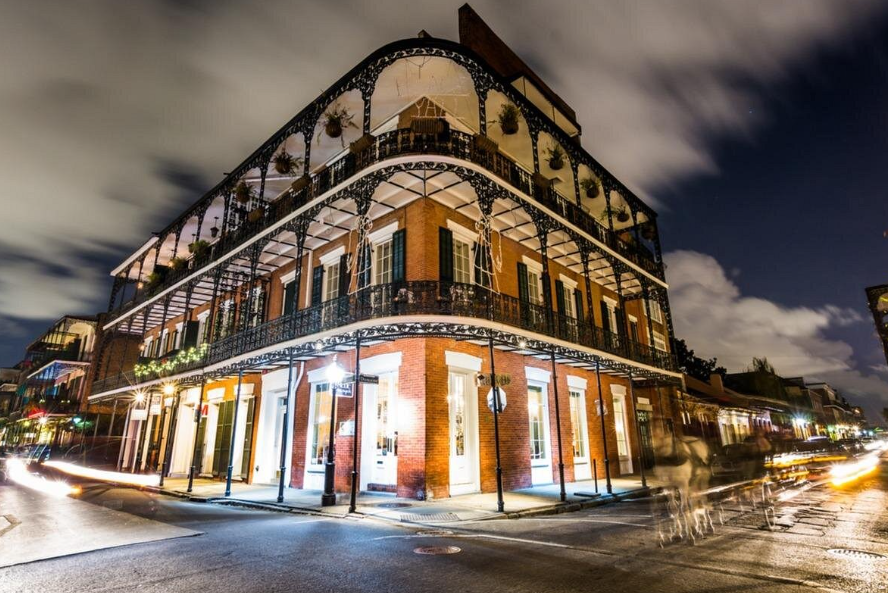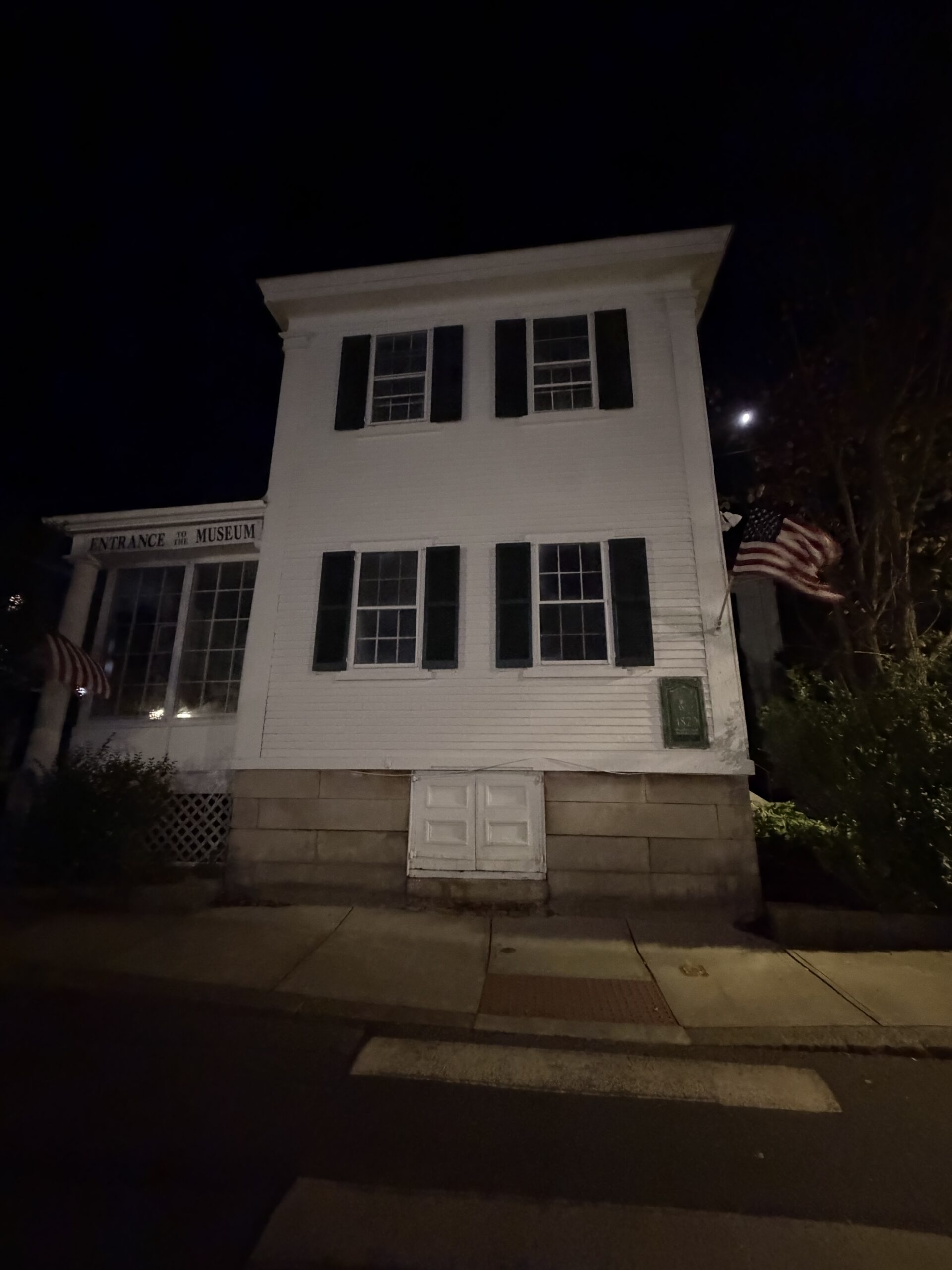
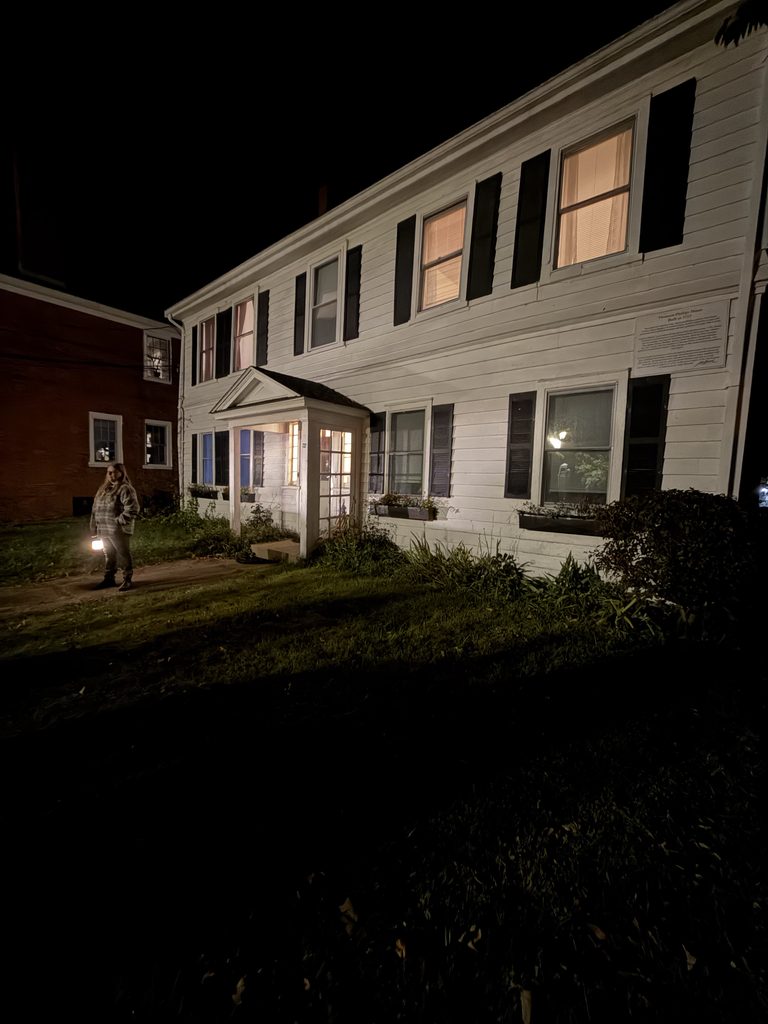
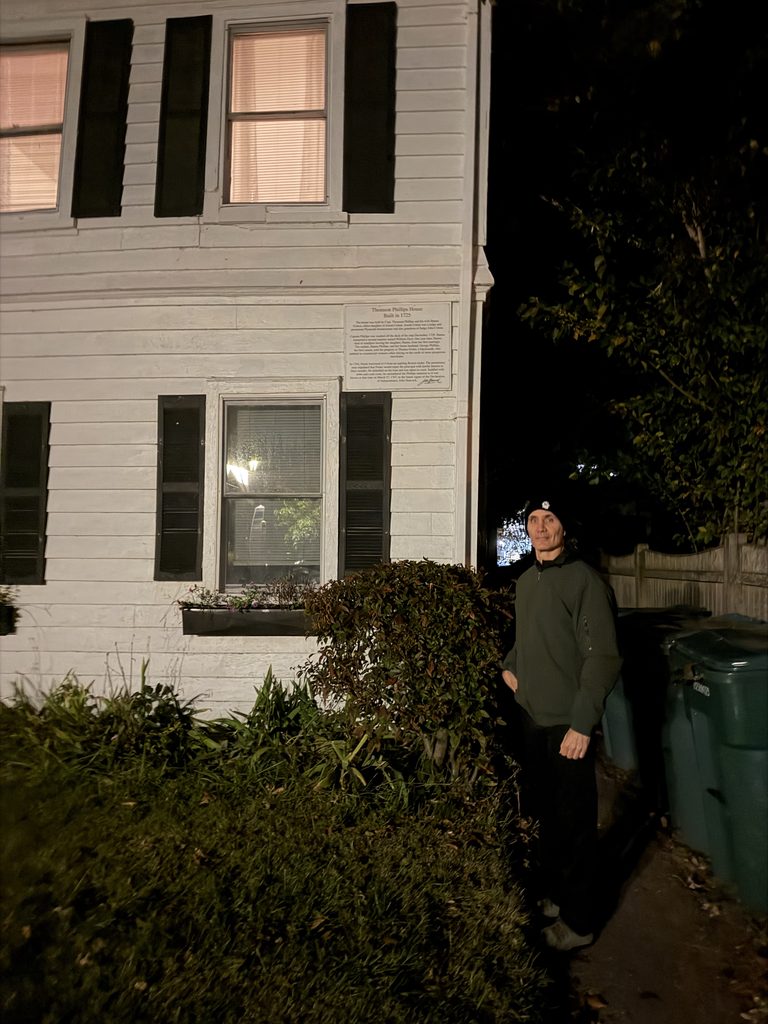
The Thompson Phillips House stands securely as one of America’s earliest documented haunted houses. Nestled in the historic coastal town of Plymouth, Massachusetts, this grand eighteenth-century mansion holds a chilling place in colonial lore. Indeed, the property bridges early American history with the supernatural realm. Visitors frequently travel to Plymouth to explore its deep colonial roots.
Exploring One of America’s Earliest Documented Haunted Houses
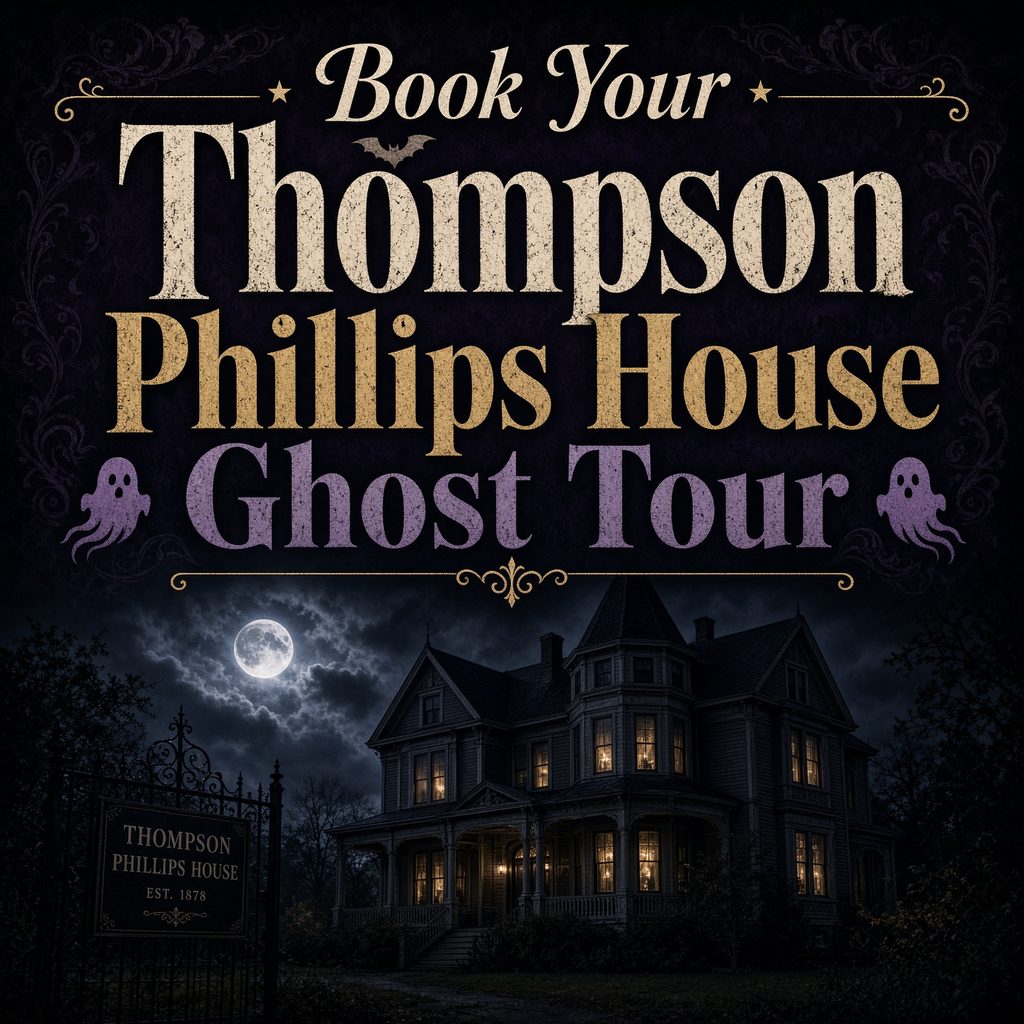
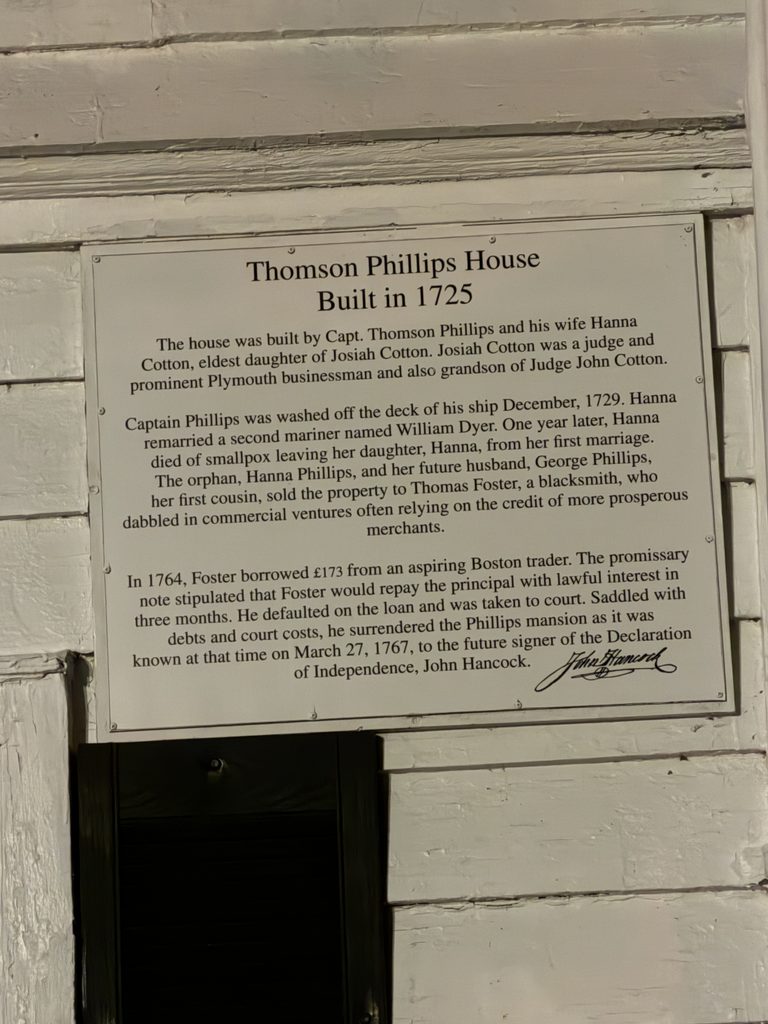
In 1725, a wealthy sea captain named Thompson Phillips built a magnificent home for his new bride. Sadly, the captain drowned at sea during a voyage to Jamaica. His young widow later remarried before passing away from smallpox. Consequently, ownership of the sprawling estate passed to Reverend Josiah Cotton.
The reverend owned a prosperous farm outside town and did not want an empty mansion. Therefore, he decided to rent the spacious rooms to local craftsmen and their families. For a brief period, tenants lived peacefully within the historic walls. However, this quiet domestic routine vanished overnight when strange events began.
Uncovering the Supernatural Disturbances in Plymouth
January 1733 brought terrifying sounds to the former sea captain’s mansion. Tenants heard eerie moans resembling the final breaths of a dying person. Furthermore, heavy canes struck unseen walls with startling force. Doors and cabinet drawers swung open completely on their own accord at this home, one of America’s earliest documented haunted houses.
Neighbors also witnessed bizarre phenomena outside the darkened structure. Mary Little watched a pale bluish light glow inside an upstairs window for thirty minutes. She later questioned the tenants about late-night candles in the attic. The residents expressed utter shock because nobody had entered the upper floors.
The Town Reacts to Rumors
News of the restless spirits spread rapidly through the colonial village. Large crowds gathered outside the mansion every single night to watch for blue lights. Curious onlookers strained their ears to catch the ghostly groans echoing through the floorboards. Naturally, the mounting public spectacle created a severe nuisance for the neighborhood from one of America’s earliest documented haunted houses.
Reverend Cotton strongly rejected the rumors surrounding his rental property. He believed fabrication replaced facts among the superstitious townspeople. Moreover, recent political arguments with his tenants clouded his judgment. Cotton wanted his own family members to occupy the rooms instead.
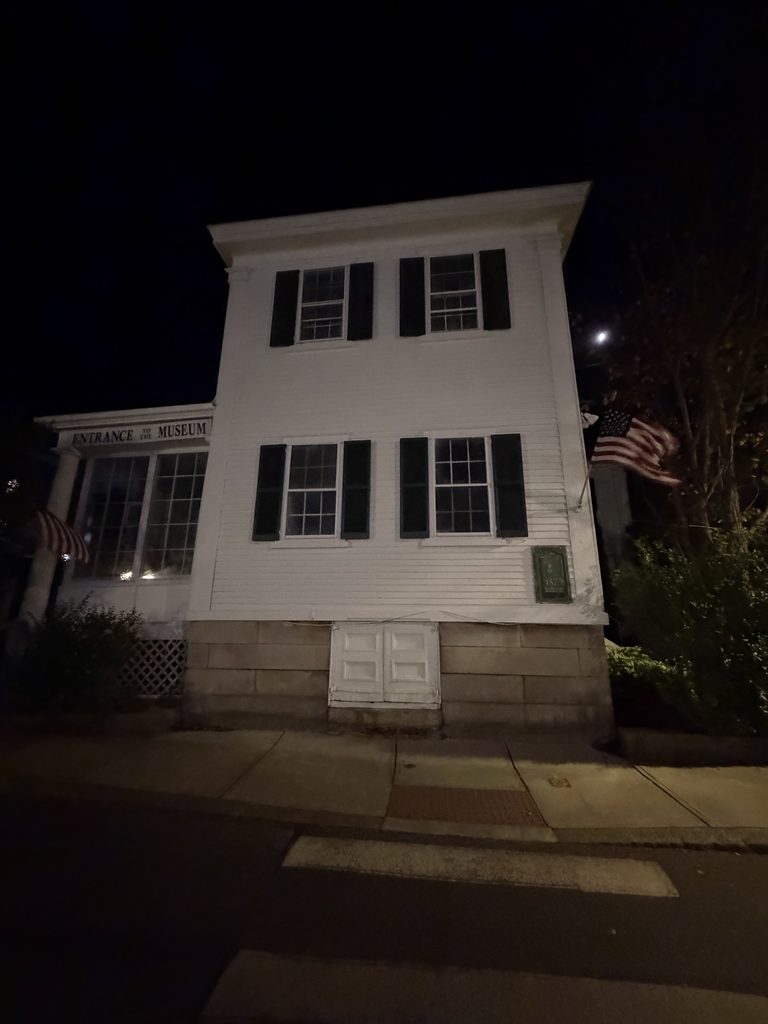
Tenant Conflict and Mass Exodus
Tensions boiled over between the disgruntled landlord and his frustrated renters. John Clarke shouted that the mansion was definitively haunted before packing his belongings. Consequently, all the terrified residents fled the property by October 1733. They refused to pay rent for a home dominated by unseen entities.
Reverend Cotton attempted to secure new occupants for the empty estate immediately. However, local fear kept prospective renters far away. Even skeptics avoided the building to dodge the massive crowds of nighttime gawkers. The property, O\one of America’s earliest documented haunted houses, remained vacant while community panic intensified.
Taking the Haunting to Colonial Court
Frustrated by lost income and damaged reputation, Cotton initiated legal action against his tenants. He sued the departed residents for spreading malicious lies and withholding rent. The courtroom battle forced colonial judges to examine whether ghosts constituted a valid excuse for breaking a lease. Therefore, the trial merged mundane property law with bizarre supernatural claims.
During the proceedings, Cotton argued that the haunting was an elaborate hoax. He cited historical trials to prove that superstition routinely blinds the public. Cotton and his family even stayed overnight in the mansion to demonstrate its safety. However, convincing fearful townspeople proved nearly impossible.
The Verdict and Lasting Legal Legacy of One of America’s Earliest Documented Haunted Houses
The colonial court ultimately reached a quiet impasse rather than ruling on phantom existence. Judges made no definitive declaration regarding the actual presence of spirits. Instead, the trial highlighted the sheer power of public belief in shaping reality. Ideas and folklore proved far stronger than rigid legal text.
Centuries later, historians still celebrate this case as a foundational paranormal landmark. The proceedings demonstrate how early Americans grappled with the unknown. Modern travelers planning a trip to Plymouth can still trace these chilling colonial footsteps. Book your ghost tour to Plymouth, MA today to uncover more hidden ghostly lore including one of America’s earliest documented haunted houses.