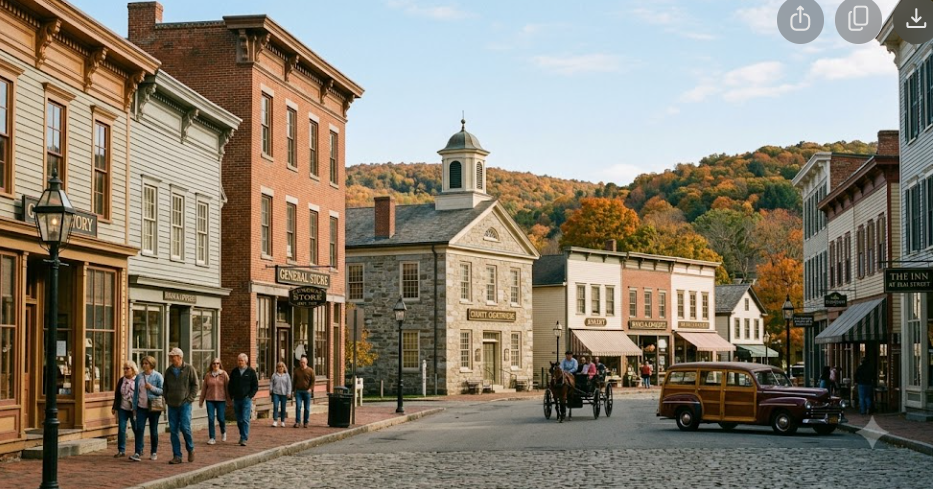
Discover the Narrowest Street in America in Historic St. Augustine.
History lovers flock to Florida to walk down the narrowest street in America. Indeed, Treasury Street in historic St. Augustine measures just seven feet wide. Consequently, this famous passage attracts curious travelers from around the world every single year. Visitors marvel at the tight squeeze between ancient colonial stone buildings.
Furthermore, vibrant tropical flowers hang gracefully from rustic wooden balconies overhead. The historic lane connects bustling downtown shops directly to scenic Matanzas Bay. Therefore, every step along this stone path feels like stepping back into early colonial history.
The Fascinating Origin Story of Treasury Street
Spanish settlers established St. Augustine as a fort town in 1565. Consequently, military engineers designed compact street grids to protect the early coastal settlement. Indeed, city planners kept lane widths intentionally small throughout the entire historic district. However, Treasury Street served a very unique financial purpose for the Spanish crown.
Royal guards transported heavy wooden chests of gold and silver along this tight corridor. Specifically, workers moved treasure from the royal storehouse directly to ships waiting in the harbor. In fact, the narrow layout prevented horse-drawn carriages from entering the alleyway completely. Therefore, thieves could not easily pull up wagons to rob royal treasure shipments.
Exploring the Narrowest Street in America Today
Today, tourists flock to this famous alleyway to test its small width firsthand. Indeed, walking down the narrowest street in America offers an unforgettable photo opportunity for families. Two adults can easily stretch out their arms and touch buildings on opposite sides simultaneously. Consequently, thousands of happy travelers take fun snapshots along this famous stone passage daily.
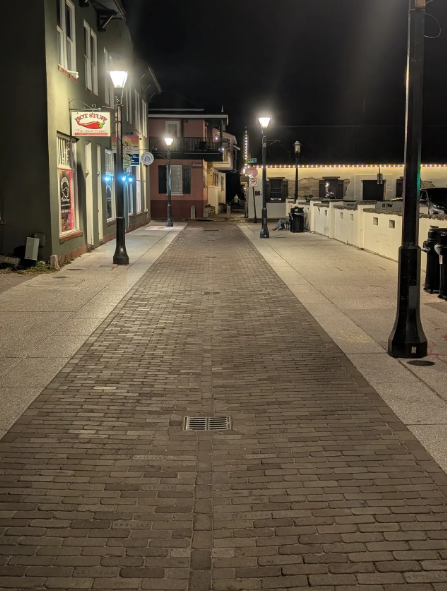
Charming brick pavers line the full length of this iconic city block. Furthermore, tall coquina stone walls cast soothing shadows over the sunlit pedestrian path. As a result, pedestrians enjoy a cool, breezy walk even during hot Florida summer afternoons. Thus, visitors always include Treasury Street on their downtown St. Augustine walking itinerary.
The Clever Spanish Strategy Behind the Narrowest Street in America
Spanish officials deliberately engineered this narrow lane to increase city security measures. For example, narrow alleyways created natural defense chokepoints against invading foreign pirates. Consequently, armed guards could easily defend royal treasure chests with minimal soldier force. Indeed, single soldiers could block entire crowds inside such a constrained space.
The design also protected precious cargo from sudden tropical storm winds near the bay. Furthermore, tall stone structures blocked intense ocean gusts during sudden coastal hurricanes. Therefore, royal couriers moved valuable goods safely during challenging weather conditions. In short, smart Spanish planning created a durable, secure, and permanent roadway.
The Historic Peña-Peck House and Royal Treasury
The Spanish Royal Treasury building anchors the western end of Treasury Street. Today, local historians call this preserved historic landmark the famous Peña-Peck House. Indeed, Royal Treasurer Juan Esteban de Peña built his personal home here in 1750. Consequently, visitors can tour the historic rooms and admire fine antique Spanish furniture.
Native coquina shell stone forms the strong exterior walls of the historic building. Furthermore, a peaceful interior courtyard features lush tropical palm trees and colorful flowering plants. Knowledgeable local guides lead informative daily tours through the historic residential property. Therefore, history enthusiasts gain deep insights into eighteenth-century Spanish government official life.
How Spanish Laws of the Indies Shaped St. Augustine
King Philip II established official city building guidelines called the Laws of the Indies. Indeed, these royal laws dictated street layouts, plaza sizes, and building orientations across Spanish colonies. Consequently, colonial builders designed narrow streets to catch ocean breezes and provide constant shade. In fact, narrow lanes protected pedestrians from intense southern sunshine during hot summer months.
Buildings sat close together to block harsh solar glare and keep interior living spaces cool. Furthermore, tight building patterns fostered strong neighborhood security and close community social bonds. As a result, St. Augustine still retains its authentic sixteenth-century Spanish town floor plan. Thus, modern visitors experience genuine European urban design principles right in North America.
Coquina Architecture Along Treasury Street – narrowest street in America
Unique building materials give Treasury Street its rustic and timeless visual character. For example, early builders quarried coquina stone from nearby Anastasia Island quarries across the bay. Indeed, crushed seashell deposits formed this durable natural building stone over thousands of years. Consequently, coquina walls withstand harsh saltwater air, fires, and military cannon fire effortlessly.
Smooth white plaster covers many of the ancient coquina walls along the narrow street. Furthermore, dark wooden balconies extend over the pavement to create charming architectural accents. Brightly painted wooden shutters frame small glass windows along upper residential floors. Therefore, architectural photographers discover incredible artistic textures around every corner along Treasury Street.
Strolling Through St. Augustine’s Historic Downtown
Treasury Street connects seamlessly with other popular historic thoroughfares in the city center. For instance, the lane intersects famous St. George Street, a bustling pedestrian shopping corridor. Consequently, travelers can easily combine historical sightseeing with local boutique shopping and casual dining. Indeed, hundreds of independent stores offer unique souvenirs, handmade jewelry, and regional artwork.
The east end of Treasury Street opens up directly toward scenic Matanzas Bay. Furthermore, visitors can sit on stone benches and watch sailboat masts drift along the water. The nearby Plaza de la Constitución offers shaded park benches under giant historic oak trees. Thus, a short stroll down Treasury Street leads to endless outdoor downtown adventures.
The Nearby Castillo de San Marcos Fort
A short walk north along the bayfront leads directly to the Castillo de San Marcos. Indeed, Spanish engineers constructed this massive coquina fortress to protect the city from enemy attacks. Consequently, the fort stands as the oldest masonry fortification in the continental United States. Visitors explore dark stone vaults, climb gun decks, and watch live cannon firing demonstrations daily.
Park rangers share fascinating stories about military sieges, soldiers, and colonial diplomacy. Furthermore, the fort offers panoramic views of Matanzas Bay and the historic downtown skyline. Children love earning official Junior Ranger badges while exploring the historic stone ramparts. Therefore, combining Treasury Street with a fort tour creates a complete historical day trip.
Historical Transportation and the Evolution of City Streets
In colonial times, residents navigated St. Augustine entirely on foot or on horseback. Consequently, narrow streets easily accommodated foot traffic, handcarts, and small riding horses. However, modern transportation required city leaders to adapt downtown traffic patterns carefully. Indeed, officials designated Treasury Street as an exclusive pedestrian lane to preserve its historic integrity.
Today, horse-drawn carriages trot along nearby thoroughfares while tourists enjoy peaceful, car-free walking zones. Furthermore, open-air sightseeing trolleys transport visitors efficiently between major historic attractions. Passengers listen to entertaining narration while riding through historic neighborhood streets. As a result, guests experience ancient charm alongside convenient modern travel amenities.
Fun Photo Tips for Your Visit to Treasury Street
Capturing great travel photos along Treasury Street requires just a little simple planning. First, visit the street during early morning hours to avoid large tourist crowds. Indeed, morning sunlight illuminates the coquina walls beautifully without harsh afternoon shadows. Consequently, early photographers capture clean shots of the full seven-foot street span easily.
Stand in the middle of the street and extend both arms outward toward the walls. Furthermore, ask a travel partner to take a full-body photo from a few yards away. This fun pose emphasizes the famous narrow width for your personal travel photo album. Therefore, you will return home with a memorable vacation snapshot to share with friends.
Ghost Tours and Nighttime Legends of Treasury Street – narrowest street in America
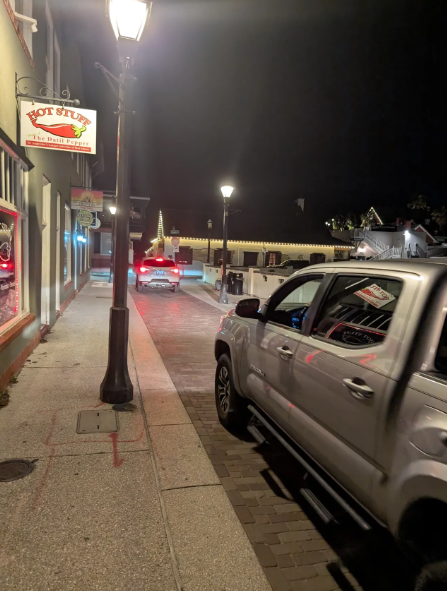
St. Augustine holds the proud title of America’s most haunted historic city. Consequently, spooky ghost tours explore Treasury Street after sunset under shadowy street lamps. Indeed, local guides share chilling tales of Spanish guards, lost treasure, and restless colonial spirits. For example, visitors sometimes report seeing shadowy figures standing quietly in narrow doorways.
Flickering gas lanterns cast eerie shadows against the old coquina stone walls at night. Furthermore, the cool ocean breeze blowing through the alley creates an atmospheric chill. As a result, night walks along Treasury Street offer thrilling entertainment for brave travelers. Thus, booking an evening walking tour adds exciting supernatural flair to your Florida vacation.
Family-Friendly Activities Around Treasury Street
Families discover endless engaging activities within easy walking distance of Treasury Street. For instance, the nearby St. Augustine Pirate & Treasure Museum showcases authentic historic artifacts. Children explore interactive ship decks, touch real gold coins, and learn about famous buccaneers. Indeed, hands-on exhibits keep young travelers fully entertained and excited throughout the tour.
In addition, the Colonial Quarter offers living history demonstrations by costumed blacksmiths and leatherworkers. Furthermore, kids can climb a thirty-foot wooden watchtower to view the entire historic downtown area. Artisans answer questions and show visitors how colonists lived in eighteenth-century Florida. Therefore, families enjoy a rich blend of active fun and meaningful historical education.
Dining and Refreshments Near Treasury Street, the narrowest street in america
Exploring historic sites builds a strong appetite during a fun day of sightseeing. Fortunately, excellent local restaurants sit just steps away from Treasury Street’s brick pavement. For example, Spanish tapas taverns serve authentic garlic shrimp, cured hams, and sangria pitchers. Indeed, outdoor patio seating lets diners watch passing tourists while enjoying delicious coastal meals.
Nearby bakeries serve warm Datil pepper pastries and sweet European espresso drinks daily. Furthermore, local ice cream parlors offer refreshing handmade treats on warm sunny afternoons. Relaxing at a sidewalk cafe provides a perfect rest break during your downtown walking tour. Therefore, food lovers discover amazing culinary experiences all around St. Augustine’s historic center.
Shopping for Local Crafts and Souvenir Treasures
Boutiques along Treasury Street and St. George Street offer charming shopping experiences for visitors. For example, local craftspeople sell handmade candles, nautical decor, and custom leather goods. Indeed, shoppers discover unique Florida souvenirs that large department stores simply do not carry. Furthermore, friendly store owners share local travel tips while wrapping your purchases carefully.
Art galleries display vibrant oil paintings inspired by historic architecture and coastal landscapes. In addition, specialty food shops sell famous local Datil pepper hot sauces and sweet jellies. Tasting local sauces gives travelers a spicy taste of St. Augustine’s unique culinary tradition. Thus, shopping in the historic district supports local artisans while creating lasting vacation memories.
Planning Your Trip to St. Augustine, Florida
Planning a vacation to historic St. Augustine remains simple and stress-free for all travelers. For example, Jacksonville International Airport sits just fifty minutes north of the historic district. Consequently, visitors can easily rent a car or arrange shuttle transport to their hotel. Indeed, comfortable bed and breakfasts line the quiet streets surrounding Treasury Street.
Spring and autumn bring mild temperatures, sunny skies, and smaller tourist crowds to Florida. Furthermore, the famous winter Nights of Lights festival illuminates the entire city with millions of white lights. You can explore the historic district easily on foot, by bicycle, or on open-air trolleys. Thus, every season offers wonderful opportunities to experience America’s oldest continuously inhabited city.
Book Your St. Augustine Heritage Getaway Today
Treasury Street offers a fascinating glimpse into America’s deep Spanish colonial roots. Indeed, standing between its seven-foot walls creates memories that last a lifetime. Every history enthusiast and traveler should explore this unique Florida landmark in person. Consequently, pack your walking shoes and prepare for an incredible historic Florida getaway today.
Gather your family, choose your travel dates, and reserve your historic downtown accommodations now. Furthermore, ancient brick streets, ocean breezes, and centuries of history await your arrival. Explore the narrow lanes, taste delicious local food, and discover Florida’s rich colonial heritage. Therefore, book your trip to St. Augustine and experience the narrowest street in America, Treasury Street for yourself!