Discover the Iconic Little Red Schoolhouse in Maryland
Step Back in Time at the Little Red Schoolhouse
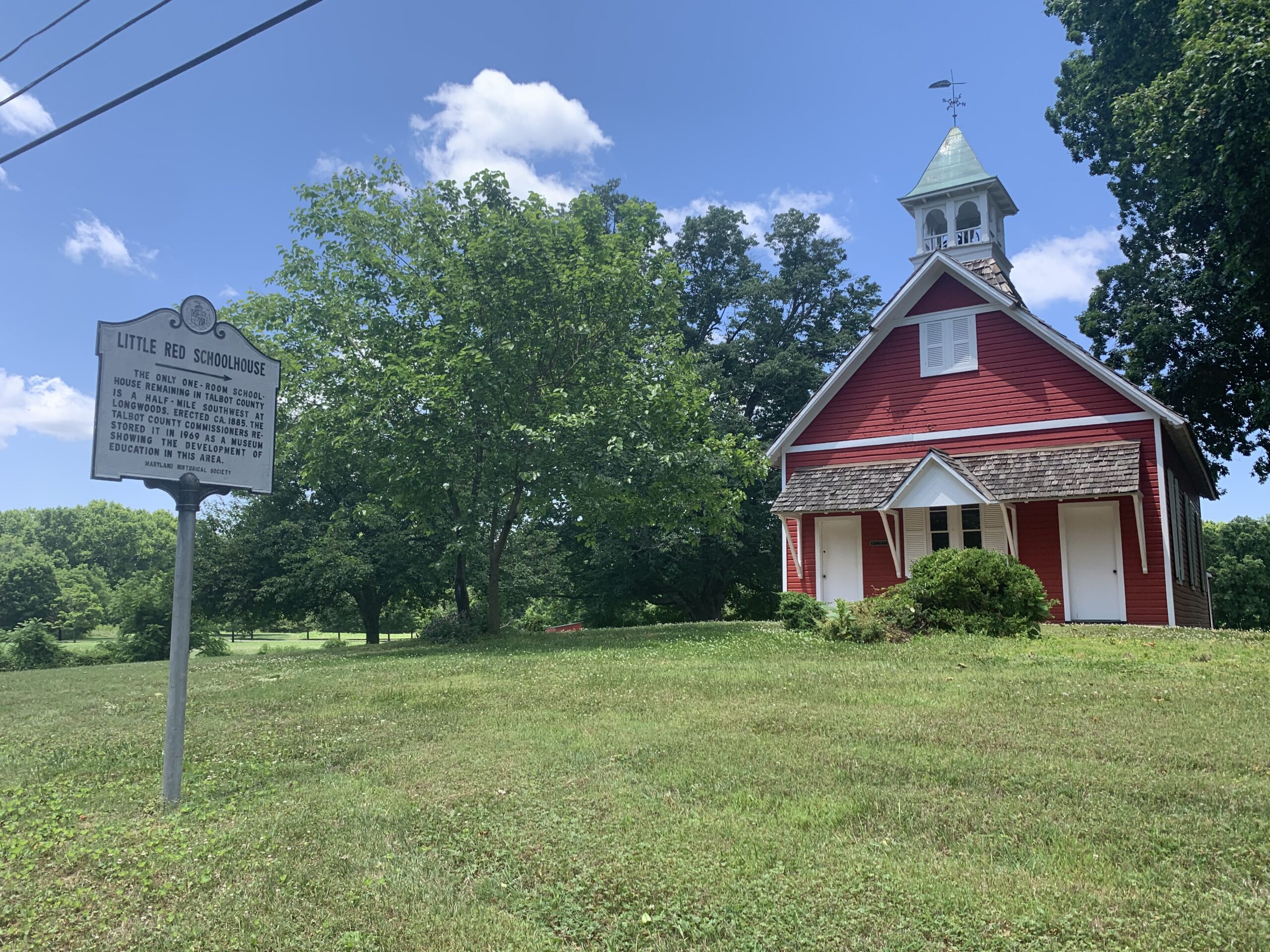
Travelers heading down Route 662 discover a beautiful piece of Maryland history. The famous Little Red Schoolhouse stands proudly amidst the scenic landscape of Talbot County. Indeed, this charming wooden building offers visitors a captivating glimpse into nineteenth-century rural education. For example, local communities built these rustic structures across the Eastern Shore long ago.
Today, history enthusiasts explore this preserved site to experience authentic American heritage firsthand. Furthermore, surrounding farms and peaceful countryside enhance the timeless beauty of this historical landmark. Consequently, tourists frequently pause here to snap photos and admire the classic architecture.
The Fascinating History of Talbot County Schools
During the late nineteenth century, small one-room schools served rural families across Maryland. In fact, Talbot County once operated over forty individual schoolhouses for local children. These modest hubs provided basic instruction to students of all ages simultaneously. For instance, young pupils learned essential skills alongside older neighborhood classmates in single rooms.
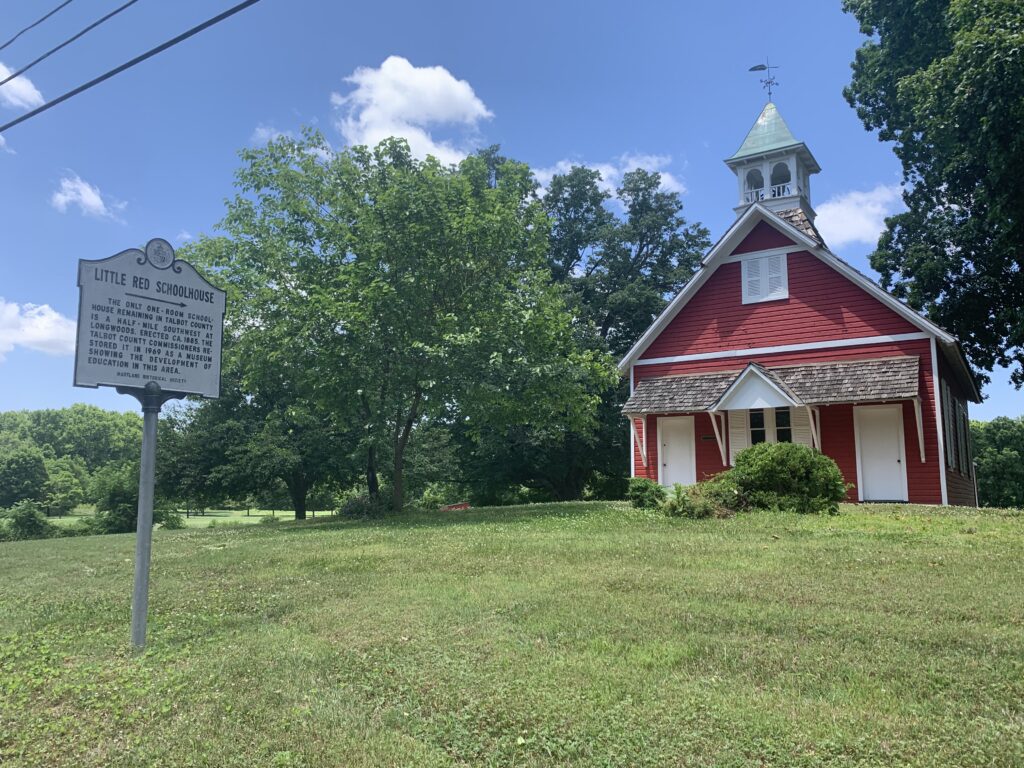
Builders constructed the Longwoods Elementary structure around 1885 to replace an earlier community building. Official records initially designated this historic facility as Talbot County School Number 14. However, residents soon affectionately nicknamed the landmark for its distinct crimson color. Therefore, the vibrant building quickly became an enduring symbol of community pride and learning.
Life Inside the Little Red Schoolhouse
Step inside the Little Red Schoolhouse to envision a typical school day from decades past. A central potbellied stove once provided vital warmth during chilly Maryland winter mornings. Teachers dutifully stoked the fire before students arrived from nearby farms. Meanwhile, natural sunlight streamed through large windows to illuminate the simple wooden desks.
Rows of neat wooden benches filled the small single classroom space. Younger pupils sat near the front, while older students occupied rear seats. In addition, students carried their lunches in metal pails or woven baskets each day. Indeed, children often enjoyed their simple noon meals outdoors under towering shade trees.
Classroom Lessons and Educational Methods
Teachers instructed grades one through seven within the same small room. Consequently, educators relied on structured daily schedules to manage multiple learning levels. Children mastered fundamental subjects like reading, writing, geography, and basic arithmetic. For example, pupils practiced spelling and penmanship on small handheld slate boards.
Paper remained a precious commodity during this early era of public education. Therefore, students saved paper for special reports and major examinations. Furthermore, McGuffey Readers and historic texts provided core reading materials for all grades. Older classmates also helped teach younger children, creating a supportive family atmosphere.
Dedicated Educators of the Eastern Shore
Dedicated teachers carried immense responsibilities within these early rural educational facilities. Besides teaching lessons, educators maintained the physical building and tended the heating stove. Ruth Stewart Orrell began teaching at the Longwoods location in 1944. Indeed, Mrs. Orrell taught generations of local children with deep passion and diligence.
She guided her students through evolving modern curricula for over two decades. However, county officials eventually planned to consolidate small rural schools into larger facilities. Devoted parents fiercely defended the school and kept its doors open for many years. Consequently, Mrs. Orrell retired in 1967 as the final teacher of this historic institution.
Modern Upgrades and Historical Preservation Efforts
The facility adapted slowly to technological advancements throughout the twentieth century. Workers installed electric wiring in 1936 to improve classroom lighting. Later, indoor plumbing replaced traditional outdoor facilities in 1951. Nevertheless, the charm of the original single-room structure remained intact.
After the school closed in 1967, ownership transferred to the Talbot County Council. Subsequently, local historic preservationists recognized the immense cultural value of the building. Dedicated volunteers launched comprehensive campaigns to protect this irreplaceable community treasure.
Restoring the Little Red Schoolhouse to Its Historic Roots
The Talbot County Historical Society took charge of the restoration project in 1969. Experts carefully restored the Little Red Schoolhouse to its original late-nineteenth-century appearance. For example, workers removed modern plumbing fixtures to recreate authentic historical conditions. Furthermore, craftsmen concealed electrical outlets to preserve the historic interior ambiance.
Organizers held a formal rededication ceremony on June 18, 1972. Consequently, the building opened as an educational museum for public appreciation. Today, local fourth-grade students visit the site during annual history field trips. Indeed, these young visitors experience living history lessons inside this preserved classroom.
Architectural Features of Nineteenth-Century Schoolhouses
Simple wooden craftsmanship defines the architectural style of traditional Eastern Shore schoolhouses. A steep gabled roof helped shed heavy rains and winter snows efficiently. For instance, builders utilized durable local timber to construct sturdy wall frames. Vibrant red paint protected the exterior siding from harsh weather conditions.
Large glass windows lined both side walls to maximize natural interior lighting. Furthermore, high ceilings allowed warm air to rise during hot summer months. A small wooden belfry originally held a brass bell to call children to class. Consequently, these thoughtful design elements created a functional learning environment for rural children.
Why You Should Visit Talbot County Maryland
Beyond its famous educational museum, Talbot County offers endless travel adventures. Picturesque waterways, historic towns, and vibrant cultural sites dot the regional landscape. For instance, road trips through the Eastern Shore deliver stunning waterfront vistas and fresh seafood. Furthermore, mild coastal weather makes this destination ideal for year-round vacationing.
History lovers discover fascinating heritage sites around every bend in the road. Meanwhile, outdoor enthusiasts enjoy kayaking, sailing, and cycling along scenic tidal rivers. Therefore, visitors find the perfect blend of relaxation and rich history in this region.
Discover Historic Easton and Nearby Treasures
Nearby Easton serves as the vibrant cultural heart of Talbot County. Stately Victorian homes and brick sidewalks line the town’s historic downtown district. Visitors explore boutique shops, art galleries, and acclaimed local restaurants along Harrison Street. Indeed, the town hosts popular annual events like the Waterfowl Festival each autumn.
Travelers can easily combine a trip to the schoolhouse with downtown Easton exploration. For example, cozy coffee shops offer quick morning refreshments before your sightseeing tour. Consequently, you can spend a delightful morning soaking in local history and culture.
Maritime Heritage in St. Michaels
Just a short drive away lies the famous coastal town of St. Michaels. This historic harbor town showcases rich maritime traditions and charming waterfront views. For instance, the Chesapeake Bay Maritime Museum features historic boats and interactive exhibits. Guests can climb the Hooper Strait Lighthouse for panoramic views of the Miles River.
Furthermore, picturesque streets feature lovely nineteenth-century homes and gardens. Local captains offer thrilling sailing cruises aboard authentic historic skipjacks. Therefore, maritime history fans will treasure their time in St. Michaels.
Exploring Historic Oxford and the Bellevue Ferry
Oxford stands as one of Maryland’s oldest colonial port towns. Quiet tree-lined streets lead visitors past historic homes and tranquil waterfront parks. For example, the famous Oxford-Bellevue Ferry carries automobiles and passengers across the Tred Avon River. Indeed, this historic ferry route claims the title of America’s oldest continuously operating ferry.
Passengers enjoy refreshing breezes and picturesque river views during the short crossing. After arriving in Oxford, visitors often purchase delicious homemade ice cream at local shops. Consequently, taking the ferry creates an unforgettable memory during your Talbot County trip.
Scenic Driving along Route 662
Route 662 provides a breathtaking scenic drive through rural Maryland countryside. Rolling farm fields and ancient oak trees line this peaceful country road. Drivers enjoy a serene journey away from busy highway traffic. Indeed, driving along Route 662 feels like traveling back to a simpler era.
Small historic markers highlight notable landmarks along the scenic route. Cyclists also frequent these calm paved roads during warm weekend mornings. Consequently, every mile along Route 662 reveals charming sights and peaceful vistas.
Planning Your Trip to the Little Red Schoolhouse
Planning a getaway to see the Little Red Schoolhouse requires minimal effort. The landmark sits on Longwoods Road, just minutes from major highways. Visitors find convenient roadside parking directly adjacent to the historic schoolyard. Furthermore, clear historical markers inform guests about the site’s rich educational past.
Travelers can view the exterior of the preserved building at any time. However, interior access requires special arrangements through local historical organizations. Indeed, peeking through the glass windows reveals the authentic desk arrangements inside. Therefore, camera enthusiasts should bring wide lenses to capture stunning exterior photos.
Photographer’s Guide to Capturing Local Landmarks
Photographers will find endless inspiration throughout Talbot County’s countryside. Morning sunlight creates golden glows on the red wooden walls of the schoolhouse. For example, autumn foliage provides a dramatic natural backdrop for stunning landscape photos. Furthermore, vintage agricultural scenery surrounds the school, adding historic character to every shot.
Spring blossoms add vibrant pastel colors to the green grounds surrounding the building. Meanwhile, winter snowfalls transform the crimson school into a postcard picture scene. Consequently, shutterbugs should carry extra batteries and memory cards during their excursion.
Savoring Authentic Eastern Shore Cuisine
No travel experience in Talbot County feels complete without tasting legendary regional cuisine. Seafood shacks and upscale dining establishments serve world-famous Maryland crab cakes daily. For example, waterfront restaurants cook freshly caught blue crabs with traditional seasoning blends. Local bakeries also bake famous Maryland beaten biscuits using historic family recipes.
Furthermore, regional farm stands sell sweet corn, juicy tomatoes, and fresh berries. Craft breweries and local wineries offer refreshing beverages made on the Eastern Shore. Consequently, food lovers discover incredible culinary delights throughout their travel journey.
Outdoor Recreation and Nature Trails
Nature enthusiasts will discover abundant outdoor activities throughout the Eastern Shore. Paddling routes weave through quiet tidal rivers and protected marshlands. For example, kayakers frequently spot blue herons, bald eagles, and osprey along water trails. Furthermore, nearby state parks offer miles of shaded hiking and biking trails.
Cyclists love cruising along flat, scenic rural roads past historical sites and farmland. In addition, anglers can rent boats or hire local guides for fishing trips. Consequently, outdoor adventures provide great active balance to historic sightseeing tours.
Crafting the Perfect Weekend Itinerary
Planning a two-day weekend trip allows ample time to enjoy regional attractions. Begin your Saturday morning with fresh coffee and pastries in historic downtown Easton. Next, take a short drive north on Route 662 to visit the schoolhouse. Spend your afternoon touring coastal maritime exhibits in lively St. Michaels.
On Sunday, ride the historic ferry across the river to tranquil Oxford. Afterward, enjoy a relaxing seafood lunch overlooking the scenic waterfront harbor. Consequently, this balanced itinerary highlights the absolute best of Talbot County.
Where to Stay in Talbot County
Talbot County offers diverse accommodations to suit every traveler’s unique preference. Charming bed and breakfast inns occupy historic homes in Easton and Oxford. These cozy accommodations serve delicious homemade breakfasts every morning. For example, innkeepers share valuable insider tips about hidden regional gems.
Waterfront resorts in St. Michaels offer luxury spa services and private boat slips. Modern hotels near major highways provide convenient access for road trippers. Furthermore, vacation rental cottages offer private retreats along quiet tidal creeks. Therefore, travelers easily find comfortable lodging for a memorable getaway.
Plan Your Unforgettable Talbot County Vacation Today
A trip to the Little Red Schoolhouse delivers an inspiring window into American history. This beloved landmark connects travelers to the simple, hardworking spirit of rural Marylanders. In addition, surrounding Talbot County offers stunning landscapes, rich culture, and delicious food. Indeed, you will create unforgettable memories while exploring these charming Eastern Shore towns.
Start planning your Eastern Shore adventure today to experience this iconic site. Book your stay at a charming local inn and discover historic treasures. Pack your bags for an enchanting getaway to Maryland’s scenic coastal countryside. Consequently, your dream historical vacation awaits you in beautiful Talbot County!